
Cross-Border Road Freight from China: Transit Times, Key Routes, and Logistics Guide
9 de junho de 2026
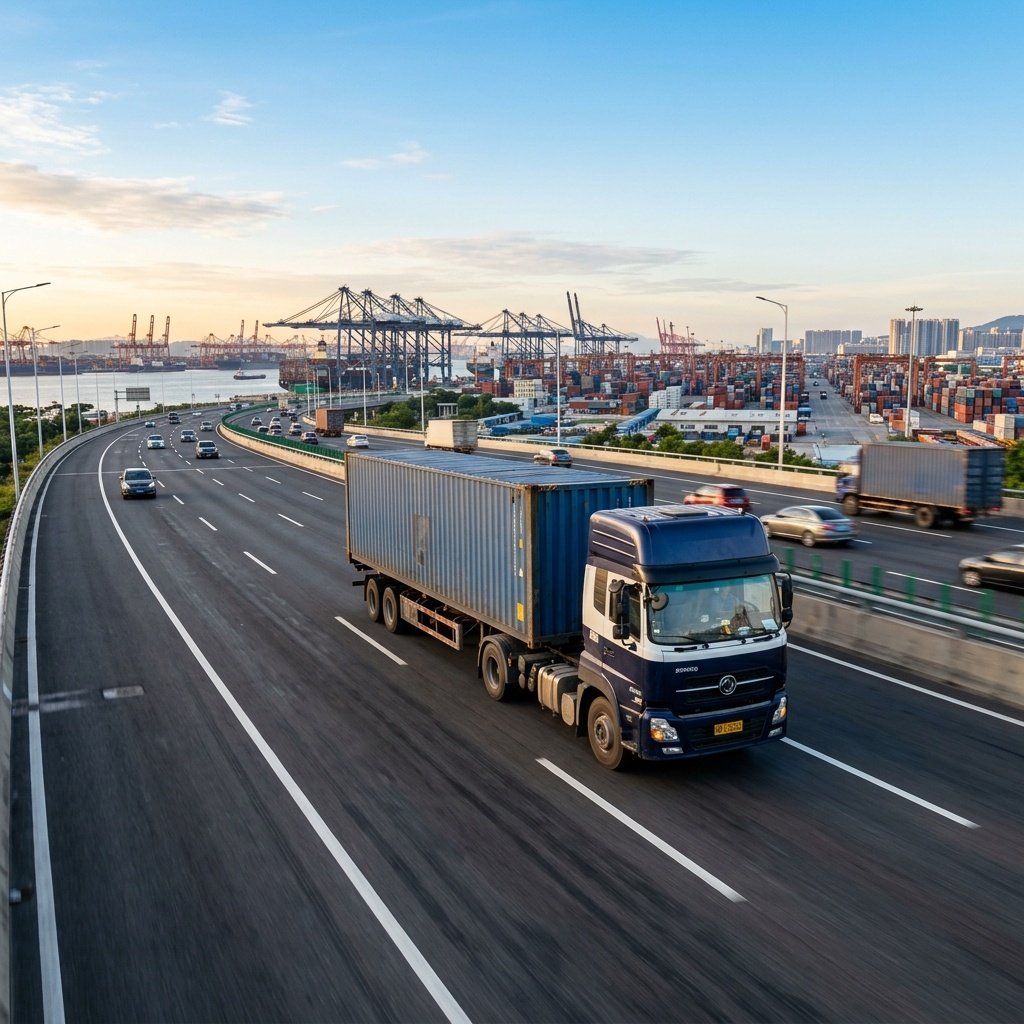
In the landscape of international B2B logistics, ocean shipping is often too slow, and air shipping can be prohibitively expensive. This has led to the rapid rise of cross-border road freight from China. Driven by improvements in road infrastructure, simplified customs protocols, and international shipping treaties, trucking has become a highly reliable transport mode for both regional and long-haul trade routes.
TL;DR — Key Takeaways
- Speed and Cost Balance: Road freight is roughly 40–50% faster than sea freight and 50–70% cheaper than air cargo, making it a highly cost-efficient logistics solution.
- Strategic Routes: Connects China directly to Southeast Asia (Vietnam, Thailand, Malaysia), Central Asia (Kazakhstan, Uzbekistan), Russia, and Western Europe.
- Dangerous Goods: Highly recommended for shipping lithium batteries, liquids, and magnetic items that face heavy restrictions on commercial aircraft.
Average transit time for door-to-door trucking shipments from China’s industrial hubs to Central Europe.
The Rise of Cross-Border Road Freight: Trucking as an Air Cargo Alternative
Often referred to as “road-air,” cross-border trucking operates on scheduled lines connecting Chinese manufacturing hubs directly with global destinations. Modern multi-driver teams run trucks 24/7, stopping only for fuel, driver rotations, and border inspections. This level of speed makes road freight a viable alternative to air cargo for high-volume, mid-value B2B shipments.
Key Cross-Border Trucking Routes and Destination Countries
China’s road freight network extends in several directions, linking major manufacturing provinces with neighboring countries and distant markets:
1. Southeast Asia (ASEAN Network)
The southern route connects Guangxi and Yunnan provinces directly to Vietnam, Laos, Thailand, Cambodia, Malaysia, and Singapore. Importers of fashion, electronics, and spare parts use this network to bypass sea congestion. For example, a truck leaving Shenzhen can deliver goods to Hanoi in 1–2 days and to Bangkok in 3–4 days.
2. Central Asia & the Silk Road
The western route runs from Xinjiang province through Kazakhstan, Kyrgyzstan, Uzbekistan, Tajikistan, and Turkmenistan. This is a critical logistics lifeline for manufacturing components, solar panels, and consumer retail products entering Central Asian markets.
3. Russia & Eastern Europe
Running through Heilongjiang or Inner Mongolia, northern trucking routes enter Russia, Belarus, and continue toward European distribution networks. This route is commonly used for heavy equipment, clothing, and machinery parts.
4. China–Europe Trucking (The TIR Corridor)
Under the international TIR (Transports Internationaux Routiers) system, sealed trucks travel from China through Kazakhstan, Russia, and Belarus into Poland, Germany, France, and the Netherlands. Under TIR, customs transit seals are checked only at borders, preventing the need for costly and time-consuming physical unloading during transit.
Border Crossings and Gateway Ports
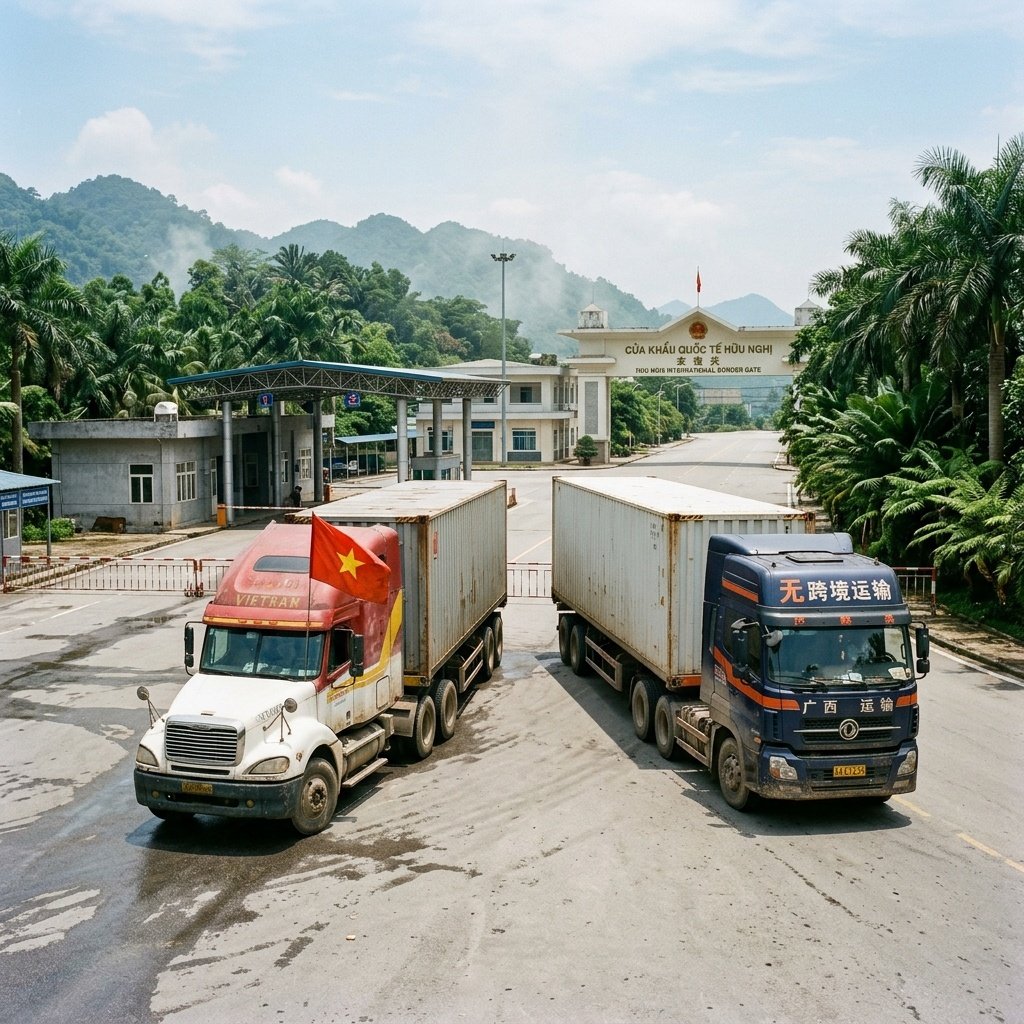
The efficiency of cross-border trucking depends on selecting the right border gateway. Key gateway ports managed by Googol Traders include:
- Youyiguan (Friendship Pass, Guangxi): The primary border crossing for trucking into northern Vietnam (Hanoi) and further south into Thailand and Malaysia.
- Khorgos (Xinjiang): The largest land port on the China-Kazakhstan border, serving as the main gateway for Central Asia and European TIR road corridors.
- Manzhouli (Inner Mongolia): The key northern crossing for trucks entering eastern Russia and Siberia.
Transit Time and Cost Comparison by Destination
Here is a comparison of typical transit times and cost indicators for road freight routes operated by Googol Traders:
| Destination Country | Chinese Origin Port | Primary Border Gate | Average Transit Time | Cost Index vs. Sea Freight |
|---|---|---|---|---|
| Vietnam (Hanoi) | Shenzhen / Guangzhou | Youyiguan Gate | 1–2 Days | 1.5x (Faster, flexible) |
| Thailand (Bangkok) | Shenzhen / Guangzhou | Youyiguan / Laos Transit | 3–5 Days | 1.8x (Bypasses sea ports) |
| Kazakhstan (Almaty) | Shenzhen / Yiwu | Khorgos Port | 4–6 Days | 2.2x (Fast inland access) |
| Poland / Germany | Shenzhen / Yiwu / Shanghai | Khorgos / Małaszewicze | 12–16 Days | 3.0x (Half the time of sea) |
Key Advantages of Road Freight: Dangerous Goods and Consolidation
Beyond speed and cost, road transport offers specific operational advantages for B2B importers:
Pro Tip: Shipping Sensitive Goods
If you are importing power banks, consumer electronics containing large lithium batteries, cosmetics, or liquids, air cargo is heavily restricted and expensive. Road freight is subject to fewer regulations and offers a highly secure, temperature-stable alternative.
Customs Declaration Accuracy
Road shipments pass through multiple transit countries (e.g., Kazakhstan, Russia, Belarus on the way to Europe). If there is a mismatch on the commercial packing list or invoice, the truck will be detained at the initial border crossing, causing delays for all shippers sharing the truck. Partner with a reliable forwarder like Googol Traders to audit paperwork before loading.
Customs Clearances and TIR Carnet System
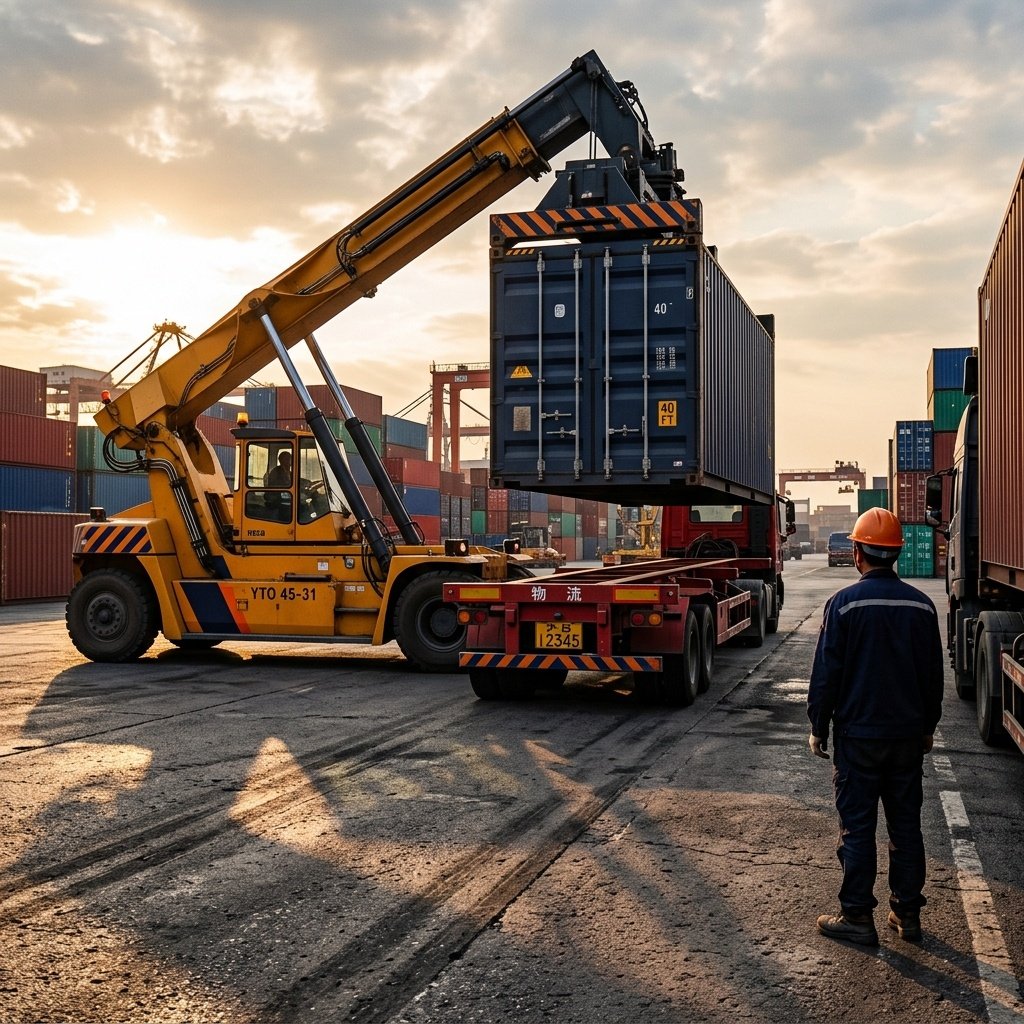
The TIR Carnet is an international customs transit system that allows road carriers to move goods across borders without paying duties or taxes at each transit checkpoint. The cargo compartment is sealed at origin, and the seal is checked at subsequent borders. This simplifies the customs process, minimizes paperwork, and shortens transit times.
FAQs
Is road freight from China cheaper than rail freight?
No, rail freight is generally more economical for bulk shipments. However, road freight is faster, offers door-to-door delivery without rail station transfers, and is highly flexible with scheduling, as trucks can depart daily.
How are goods protected against theft and damage on long truck routes?
Googol Traders uses locked, hard-sided container trucks equipped with GPS tracking, temperature monitoring, and electronic security locks. Drivers operate in pairs to ensure continuous driving and maintain security during rest stops.
Can you handle LTL (Less-Than-Truckload) road freight?
Yes. We consolidate cargo from multiple factories at our Shenzhen and Yiwu warehouses, packing them onto pallets to fill a single truck (LTL). We also offer FTL (Full-Truckload) services for large shipments.

Written by Muhammad Fahad, Logistics Operations Specialist at Googol Traders. Last updated: 2026-06-09.