
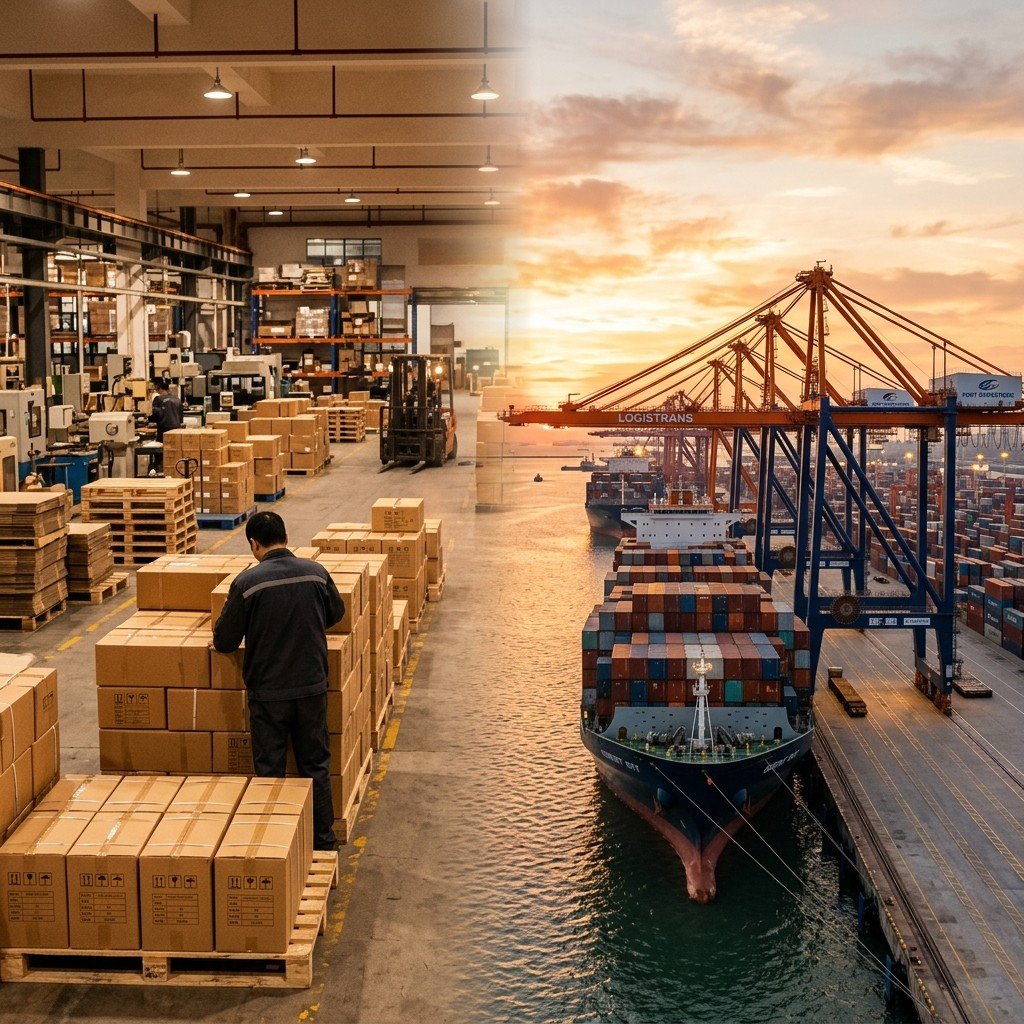
Top 10 Questions About Shipping from China: Honest Answers from a Freight Forwarder (2026)
12 de junho de 2026
Every day, someone types “how much does shipping from China cost” into Google. Someone else asks “how do I find a reliable freight forwarder.” Someone else needs to know whether DDP is right for their first Amazon FBA shipment.
We know because we answer these questions every day — on calls, in emails, and on WhatsApp at 11pm Shenzhen time.
So we compiled the 10 questions importers actually search for, with answers backed by real June 2026 data. No ChatGPT filler. No recycled blog fluff. Just what you need to know to make better shipping decisions.
TL;DR — The 10 Questions Every Importer Googles
- Container shipping China→USA: $2,000–$3,500/FEU depending on coast and season (June 2026 rates)
- Section 301 tariffs (up to 25%) + new 10% Section 122 = most Chinese goods now face 17.5–41% total duty
- DDP shipping bundles freight, customs, duties, and delivery into one price — ideal for first-timers and FBA sellers
- Sea freight: 15–35 days, $0.50–$2/kg. Air freight: 3–7 days, $4–$8/kg. The cost gap is 4-6x.
- A reliable China forwarder should have CIFA membership, an NVOCC license, transparent pricing, and credit terms
FCL 40ft Shanghai→USA, June 2026 spot rates — and that’s before surcharges
1. How Much Does It Cost to Ship a Container from China to the USA?
This question gets asked more than any other — and the answer changes by the week. Here’s the June 2026 reality:
| Route | 20ft (GP) | 40ft (HQ) | Transit |
|---|---|---|---|
| Shanghai → Los Angeles | $1,500–$2,000 | $2,000–$2,800 | 15–20 days |
| Shanghai → New York | $2,200–$2,800 | $2,800–$3,500 | 25–35 days |
| Shenzhen → London | $1,800–$2,300 | $2,500–$3,100 | 28–38 days |
| Ningbo → Dubai | $1,300–$1,900 | $1,800–$2,600 | 16–22 days |
One thing to understand: these are base freight rates. Your all-in cost will include terminal handling ($50–$200 each end), documentation ($25–$75), customs brokerage ($75–$250), and — in June 2026 — peak season surcharges that can add $1,000–$2,000 per box. Always ask for an all-in quote.
How to Compare Forwarder Quotes (Without Getting Burned)
Ask every forwarder for the same thing: “all-in rate, FCL 40ft, Shanghai to [your destination port], including THC, docs, customs clearance, and any current surcharges.” The forwarder with the lowest base rate often ends up 20-30% more expensive after fees. Make them compete on the same line items.
2. How Do I Find a Reliable Freight Forwarder in China?
This is the question that separates importers who sleep well from those who refresh tracking pages at 3am. A bad forwarder doesn’t just cost you money — they cost you Amazon rankings, retail shelf space, and customer trust when stockouts hit.
Here’s your vetting checklist:
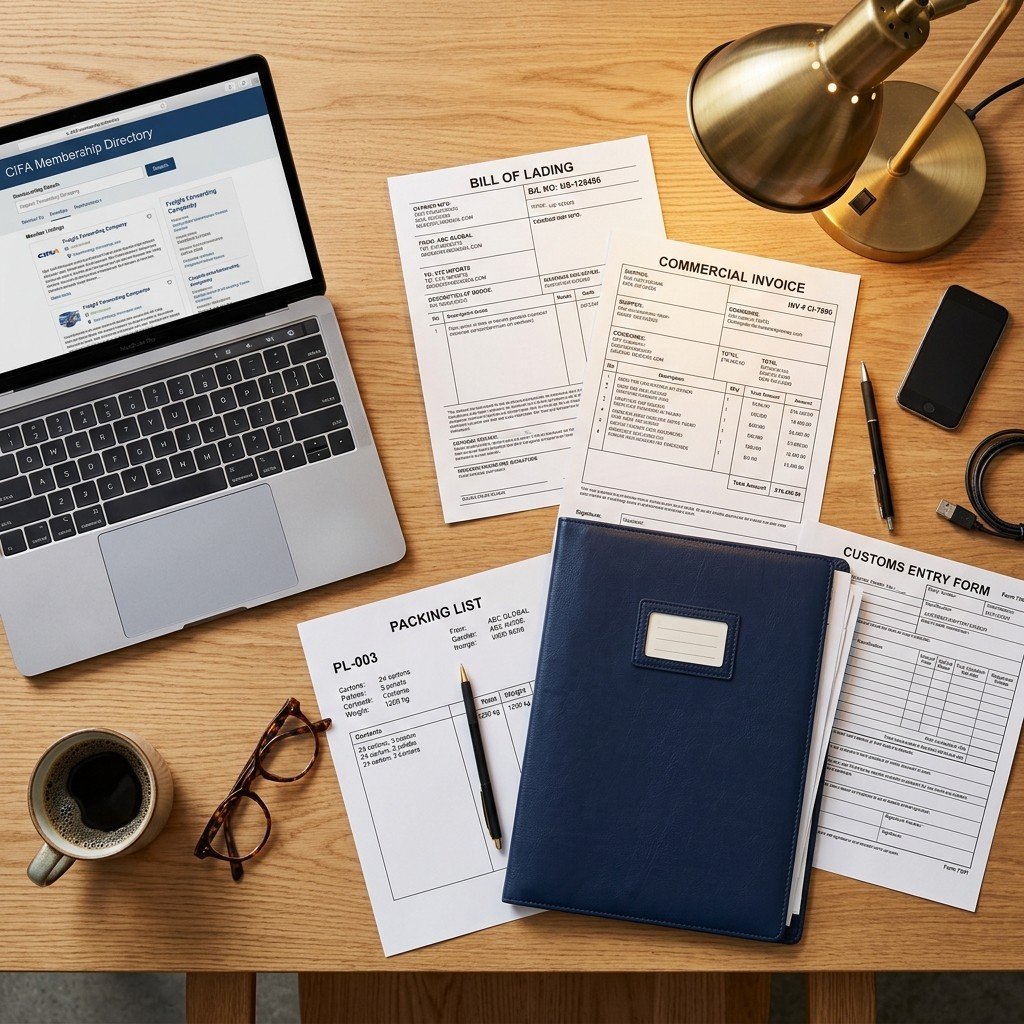
- CIFA membership (cifa-china.com). The China International Freight Forwarders Association lists 700+ vetted members. If they’re on it, they’ve passed a government-recognized baseline. If they’re not, ask why.
- NVOCC license. For ocean freight, a Non-Vessel Operating Common Carrier license means the forwarder books directly with carriers — not through a middleman who takes a cut and adds a layer of delay.
- Global network credentials. WCA, FIATA, or IATA membership signals they have destination agents who can handle your cargo when it lands. Without this, your goods arrive at LA/LB and sit while they scramble to find a local broker.
- Credit terms. A financially healthy forwarder can offer 30-day payment terms to established clients. If they demand 100% upfront every single time, their cash flow may be too weak to support your supply chain if something goes wrong.
- The test inquiry. Send a real shipment question before committing. Do they answer within 4 business hours? Do they answer the specific question you asked — or send a generic rate sheet? Communication quality now predicts problem resolution later.
Red Flag: The Quote That’s “Too Good to Be True”
Unscrupulous forwarders lure with a low ocean freight rate, then hold your goods hostage with “unexpected” destination charges you have to pay to get them released. A quote 30%+ below the SCFI index for your lane should trigger alarm bells, not celebration. Ask: “Is this all-in? What destination charges should I expect? Can you put that in writing?”
3. FCL vs LCL: Which One Should I Use?
- FCL (Full Container Load)
- You book the entire 20ft or 40ft container. Your goods travel alone — no sharing, no consolidation delays, no deconsolidation at destination. Faster (15–25 days to US West Coast) and more secure. Best for shipments over 15–25 CBM.
- LCL (Less than Container Load)
- Your goods share a container with other importers’ cargo. You pay only for the cubic meters you use — typically $60–$150/CBM. The trade-off: 5–10 extra days for consolidation at origin and deconsolidation at destination. Best for 3–25 CBM.
The break-even point: at 12–15 CBM, FCL usually costs the same or less than LCL — and you get a faster, more secure shipment. If you’re consistently shipping 10+ CBM, ask your forwarder to quote both and compare. The crossover point varies by lane and season.
4. How Long Does Sea Freight Actually Take?
| Origin | Destination | Port-to-Port | Door-to-Door |
|---|---|---|---|
| Shanghai | Los Angeles | 15–18 days | 22–28 days |
| Ningbo | Long Beach | 14–17 days | 21–27 days |
| Shenzhen | New York | 28–35 days | 35–42 days |
| Shanghai | London | 28–38 days | 35–45 days |
Reality check: add 10–14 days to all Europe and US East Coast estimates due to Cape of Good Hope routing. This is the “new normal” — it’s been in place since 2024 and shows no signs of changing in 2026. If your inventory model uses pre-2024 transit times, you’re undercounting by two weeks.
5. What Is DDP Shipping — and Should I Use It?
DDP (Delivered Duty Paid) means one price, one responsibility, one point of contact. Your forwarder handles everything from the factory pickup in China through export clearance, ocean or air freight, import customs, duties and taxes, and final truck delivery to your door or Amazon FBA warehouse.
DDP is right for you if:
- You’re importing for the first time and don’t have a customs broker relationship
- You sell on Amazon FBA and need goods delivered directly to fulfillment centers (with proper labeling and prep)
- You want predictable landed cost — no surprise duty bills 3 weeks after your shipment arrives
- You’re shipping to a country where you don’t have an entity or tax ID
DDP might not be right if:
- You’re a large corporation that needs import records in your own name for VAT or tax credits
- You already have an established customs broker with volume-discounted rates
- You ship to the USA under your own continuous customs bond and prefer to control the entry process
DDP to Amazon FBA — Our Most Requested Service
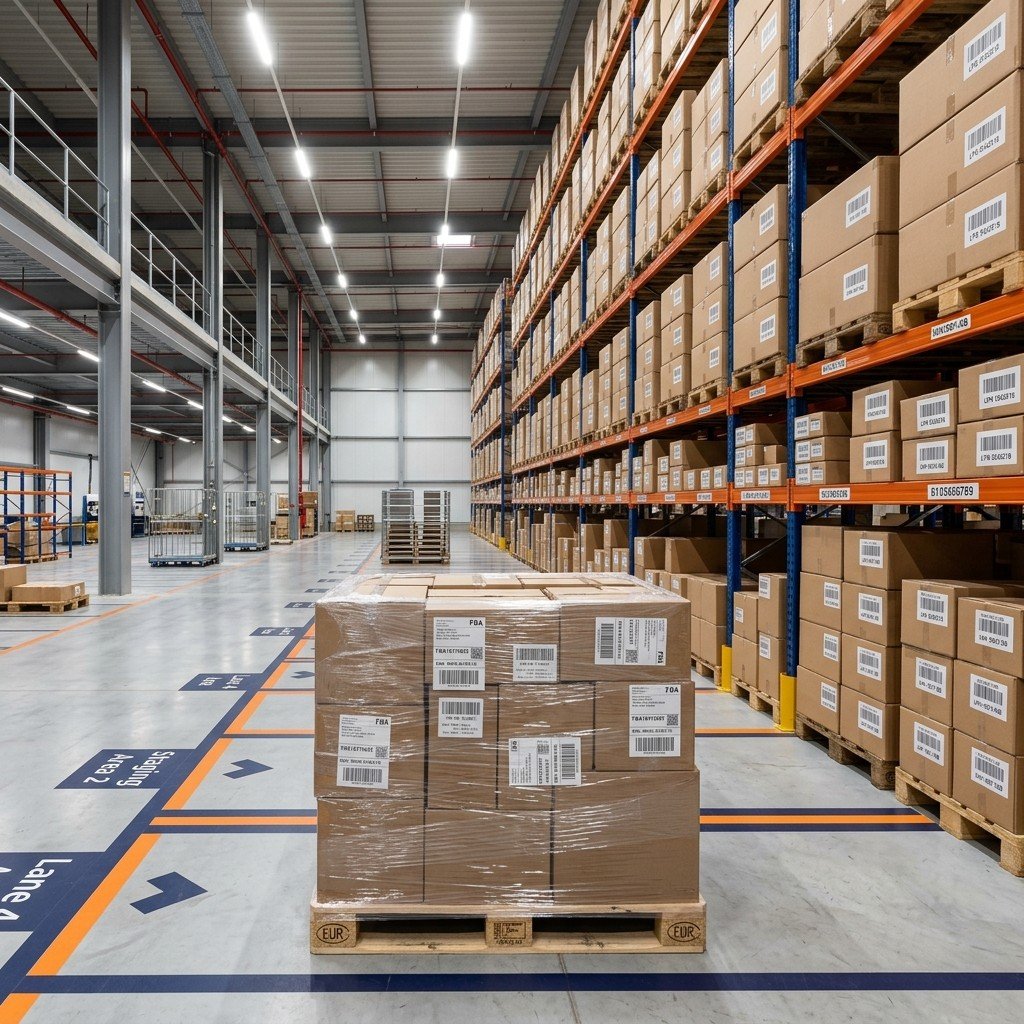
We handle DDP from Shenzhen direct to any Amazon US, UK, or EU fulfillment center. That includes FBA-compliant labeling, poly bagging, palletizing, and carton-level weight verification at our Shenzhen warehouse — before the goods ever leave China.
6. Are Section 301 Tariffs Still Active in 2026?
Yes. And they brought friends. Here’s what you’re actually paying on Chinese imports right now:
| Tariff Layer | Rate | Applies To | Status |
|---|---|---|---|
| Base MFN Duty | 0% – 32% | All imports (varies by HS code) | Permanent |
| Section 301 | 7.5% – 25% | Most Chinese goods | Active, some exclusions through Nov 10, 2026 |
| Section 122 | 10% | Nearly all Chinese imports | New in Feb 2026, stacks on top of 301 |
| Antidumping/CVD | varies wildly | Specific goods (steel, aluminum, tires, etc.) | Product-specific |
Real example: a product with 6% base MFN duty + 25% Section 301 + 10% Section 122 pays 41% total duty on its customs value. On a $50,000 shipment, that’s $20,500 in duties — before a single dollar of freight cost. Always calculate landed cost with the full duty stack.
The de minimis ($800 exemption) for Chinese goods is gone too — even small shipments now face these duties.
7. What Documents Do I Need to Import from China to the USA?
Every ocean shipment requires these five documents. Miss one, and your container sits at the port accumulating demurrage at $100–$300/day:
- Commercial Invoice. Lists seller, buyer, product descriptions, HS codes, quantities, unit values, and total value. Customs uses this to assess duties — accuracy matters.
- Packing List. Details every carton and pallet: dimensions, weight, contents. Critical for Customs exams and warehouse receiving.
- Bill of Lading (B/L). The contract between shipper and carrier. Whoever holds the original B/L owns the goods — treat it like cash.
- ISF Filing (10+2). Must be filed with US Customs at least 24 hours before the vessel loads in China. Late filing = $5,000 fine per violation. Your forwarder or broker handles this — but you need to provide the data.
- Customs Entry (CBP Form 3461/7501). Filed by your customs broker upon arrival. This is what actually clears your goods.
The #1 Customs Mistake First-Time Importers Make
Misclassifying an HS code to save on duty — even unintentionally — can trigger CBP penalties of 2–4x the duty owed, shipment seizure, or extended holds. With UFLPA enforcement intensifying in 2026, Chinese-origin goods face more scrutiny than ever. Get your HS codes right before the shipment leaves.
8. How Much Are Customs Duties When Importing from China?
Duties depend entirely on your product’s HS code. The process:
- Find your product’s HS code (first 6 digits are universal; last 4 vary by country)
- Look up the base MFN rate in the USITC HTS database
- Check if your product is on the USTR Section 301 list (most Chinese goods are)
- Add 10% for Section 122 (applies to nearly everything since February 2026)
- Total rate × customs value (product cost + freight + insurance) = duty owed
Your freight forwarder or customs broker can run this calculation for your specific product and shipment value. Never guess at duty rates — the difference between 5% and 35% on a $100,000 shipment is $30,000.
9. What Hidden Costs Should I Watch For?
The freight quote is about 60% of your actual landed cost. Here’s the other 40%:
- Terminal Handling (THC): $50–$200 at origin and destination — the terminal’s fee for touching your container
- Customs Bond: $250–$500/year for continuous, $50–$100 per single entry
- Customs Brokerage: $75–$250 per entry (duties are separate and additional)
- ISF Filing: $25–$75 per shipment
- Customs Exam: $500–$2,000+ if your container gets flagged for X-ray or physical inspection
- Demurrage/Detention: $100–$300/day if you exceed free time (typically 3–5 days after arrival)
- Last-Mile Trucking: $300–$800 from port to your warehouse
- Cargo Insurance: 0.3%–0.5% of cargo value — optional but strongly recommended
The freight quote is 60% of your actual landed cost. The other 40% lives in the fine print. Always ask for an all-in breakdown before comparing forwarders.
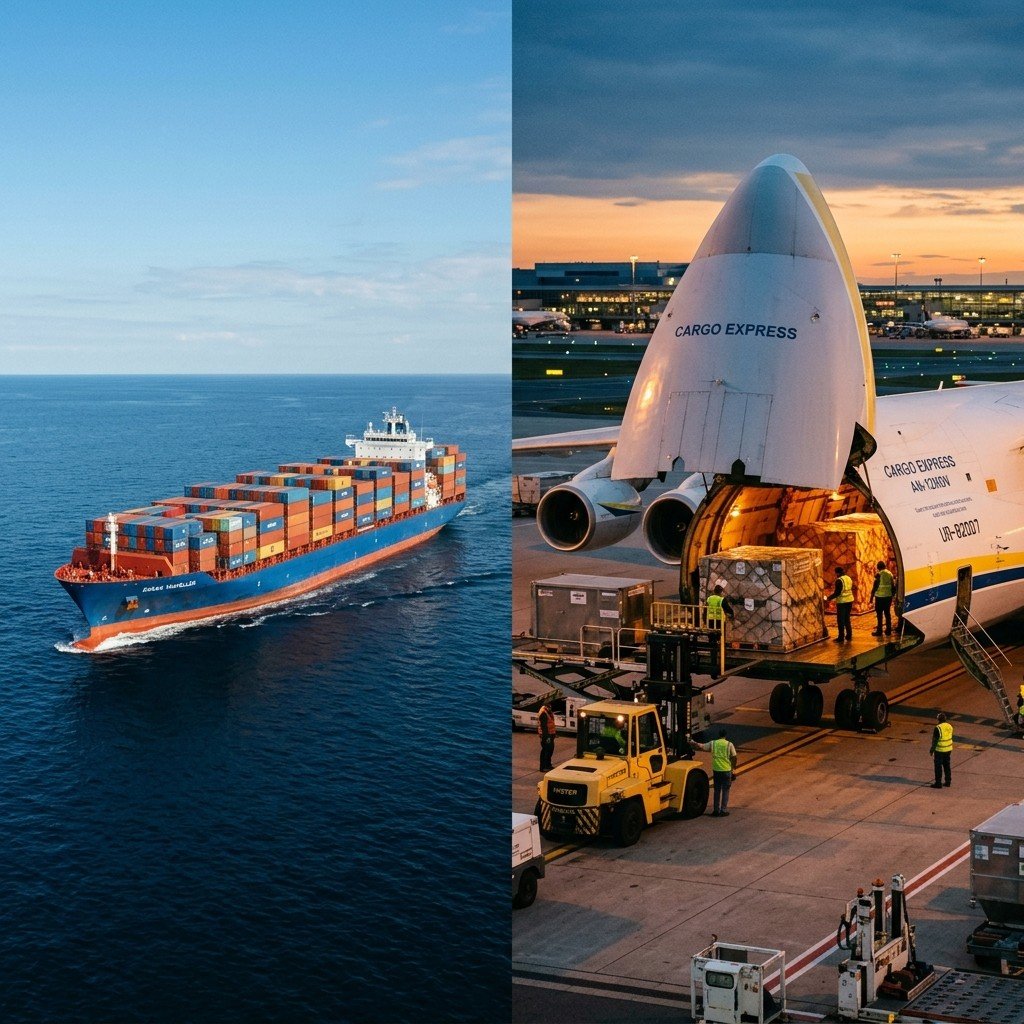
10. Air Freight or Sea Freight — Which One Should I Use?
| Factor | Sea Freight | Air Freight |
|---|---|---|
| Cost per kg | $0.50–$2.00 | $4.00–$8.00 |
| Transit time | 15–35 days port-to-port | 3–7 days airport-to-airport |
| Best for | Orders over 3 CBM, non-urgent, cost-sensitive | Under 500kg, time-critical, high-value, stockout emergencies |
| Carbon | ~20–30g CO2/ton-km | ~500–600g CO2/ton-km |
| Minimum charge | ~$150 (LCL minimum CBM) | ~$250 (typically 45kg minimum) |
Simple decision framework: under 150kg and urgent → air freight. Over 3 CBM with 3+ weeks of lead time → sea freight. In the middle, compare both — sometimes the inventory carrying cost of waiting for ocean freight (tied-up capital, lost sales) makes the air freight premium worthwhile.
The Hybrid Strategy Smart Importers Use
Split your order: 70% by sea for cost efficiency, 30% by air to stock shelves while the container is in transit. For a $50,000 order, the air freight premium on the 30% portion is typically $1,500–$3,000 — a fraction of what a 3-week stockout costs in lost sales. This is especially effective for product launches and seasonal peak restocks.
Bonus: Questions We Get on WhatsApp Every Day
What’s the absolute cheapest way to ship from China to the USA?
Sea freight LCL consolidation: rates have held steady at $60–$110/CBM on major lanes in 2026. It’s slower than FCL (adds 5–10 days for consolidation/deconsolidation) but costs less per unit for shipments under 15 CBM. For shipments over 25 CBM, FCL becomes cheaper per unit — the break-even is around 12–15 CBM.
Do I need a customs broker to import from China?
Yes — for commercial shipments over $2,500 in value, US Customs requires a licensed customs broker to file the entry. Most freight forwarders either have an in-house brokerage team or a trusted partner broker. The fee is $75–$250 per entry; duties are separate.
How do I verify a Chinese supplier before shipping?
Three non-negotiable steps: (1) Request their business license and verify on China’s National Enterprise Credit Information Publicity System. (2) Hire a third-party inspection company for AQL 2.5 pre-shipment inspection — check product quality, quantity, and packaging before your goods leave the factory. (3) Always do a sample order before committing to a full container. Test the product, the packaging, and the supplier’s reliability with real money on the line.
What happens if Customs holds my shipment?
Most holds are document reviews (1–3 days), X-ray exams (3–5 days), or intensive exams (5–10 days). Your customs broker will receive a CF-28 (Request for Information) or CF-29 (Notice of Action). The most common fix: providing the correct documentation. Exam fees range from $500 to $2,000+ depending on type. Your forwarder should guide you through this — if they go silent when Customs calls, you picked the wrong forwarder.
When is the cheapest time of year to ship from China?
February — right after Chinese New Year, when factories are ramping back up and carriers are desperate for volume. Rates can be 30–50% lower than October (pre-holiday peak). Late November through mid-January is also expensive due to Christmas and New Year restocking. If you have flexibility on timing, February and March are your cheapest windows.
Can I track my container from China to the USA?
Yes. Once loaded, you get a container number (e.g., MSCU1234567) trackable on the carrier’s website or your forwarder’s portal. Key milestones: vessel departure (ATD), any transshipment stops, vessel arrival (ATA), customs clearance, and last-mile delivery. Your forwarder should provide these updates proactively — you shouldn’t have to chase them.
How do I ship from China to Amazon FBA?
You need a forwarder who understands FBA requirements: carton-level labeling (FNSKU barcodes), poly bagging for loose items, palletizing to Amazon’s specifications (max 72″ tall, 1,500 lbs), and delivery appointments at Amazon fulfillment centers. DDP shipping to FBA is the most popular method — the forwarder handles everything from factory pickup to Amazon receiving dock. We do this every day from our Shenzhen warehouse.

Muhammad Fahad, Co-founder & Operations Lead, Googol Traders · Last updated: 2026-06-12