
UK Customs Clearance Explained: Importing from China to the UK
July 27, 2026
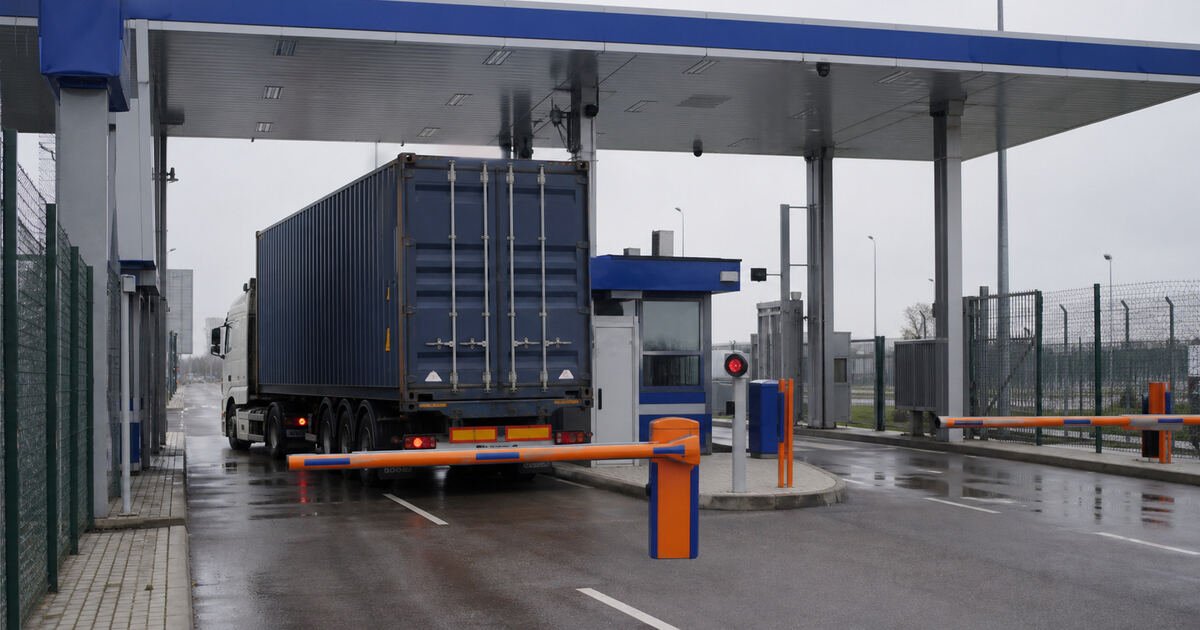
Customs clearance is the step between your cargo arriving in Europe and it actually being released to you — and it’s the stage where most avoidable shipping delays happen. Understanding how the process works, not just what documents it needs, is what lets you spot a problem before it costs you demurrage fees or a missed delivery date.
TL;DR
- Europe customs clearance requires an EORI number, a customs declaration filed through the Customs Declaration Service (CDS), and payment of any duty/VAT owed.
- Most shipments clear within 1–5 business days if documentation is accurate and complete — errors or a physical inspection can extend this significantly.
- A customs broker (often your freight forwarder) files the declaration on your behalf using the commodity code and customs value you provide.
- The most common cause of delay is inaccurate or incomplete paperwork, not random inspection — get this right and clearance is usually routine.
| Stage | Typical duration |
|---|---|
| EORI registration (one-time, before first shipment) | A few days |
| Declaration filing and duty/VAT calculation | Same day, once cargo arrives |
| Standard clearance (no examination) | 1–2 business days |
| Clearance with examination | 3–5+ business days |
Step 1: Get an EORI Number
An Economic Operator Registration and Identification (EORI) number is required to import commercial goods into Europe, and it must be in place before your first shipment arrives — not applied for after. Europe businesses can apply for free via gov.uk, and it typically takes a few days to process.
Common Mistake
Waiting until a shipment is already in transit to apply for an EORI number. Without one, HMRC cannot process your customs declaration, and your cargo will sit at the port accruing storage charges until it’s sorted — apply well before your first shipment.
Step 2: The Customs Declaration
Your customs broker files a declaration through Europe’s Customs Declaration Service (CDS), which requires your commodity (HS) code, the customs value of your goods, country of origin, and supporting commercial documentation. This declaration is what HMRC uses to calculate duty and VAT, and to decide whether your shipment needs further review.
What the Declaration Determines
- Customs duty owed, based on your commodity code’s duty rate
- Import VAT owed, calculated on goods value plus freight, insurance, and duty
- Whether your shipment is selected for documentary or physical examination
Step 3: Duty and VAT Payment
Duty and import VAT must be settled before goods are released, either paid directly or through a duty deferment account (which lets approved importers pay monthly rather than per shipment). Many forwarders offer to handle this via their own deferment account, advancing the payment and invoicing you afterward — ask whether this is available if cash flow timing matters to your business.
Pro Tip
If you’re VAT-registered, ask your broker to apply Postponed VAT Accounting (PVA) on your declaration. This lets you account for import VAT on your regular VAT return instead of paying it at the border, which can meaningfully improve cash flow on larger shipments.
Step 4: Examination (If Selected)
HMRC and Border Force select a portion of shipments for closer review, on a risk-and-random basis. This can be a documentary check (reviewing your paperwork more closely) or a physical examination (opening the container to inspect the goods). Neither is a sign you’ve done anything wrong — it’s a routine part of the customs system — but it does add time and sometimes cost (unstuffing/restuffing fees) to your clearance.
FYI
Certain product categories — food, cosmetics, electronics with safety certification requirements, and goods from countries with active trade remedy measures — are statistically more likely to be selected for examination. If your product falls into one of these, budget slightly more buffer time.
Step 5: Release and Delivery
Once duty and VAT are settled and any required examination is complete, HMRC releases the goods and your forwarder arranges collection and last-mile delivery. If you’re working with a door-to-door service, this final step is coordinated as part of your original booking rather than requiring separate arrangement.
Why Clearance Delays Actually Happen
The overwhelming majority of customs delays trace back to documentation problems, not bad luck with inspections:
- Incorrect or mismatched commodity codes between your invoice and declaration
- Missing or inconsistent information across your commercial invoice, packing list, and bill of lading
- Undeclared or inaccurately valued goods, which can trigger both delay and penalty
- Missing certificates for regulated goods (e.g. certain electronics, food-contact materials)
Most customs delays aren’t about bad luck at the border — they’re about a mismatch on paper that was avoidable weeks earlier.
How a Broker Reduces Your Risk
An experienced customs broker checks your documentation for the mismatches above before filing, catching problems while they’re still fixable rather than after HMRC flags them. This is the practical value of using a forwarder with in-house customs brokerage rather than treating clearance as an afterthought once your cargo has already arrived.
Frequently Asked Questions
How does customs clearance work when importing from China to Europe?
Your broker files a customs declaration through the Customs Declaration Service using your commodity code and customs value, duty and VAT are calculated and paid, and HMRC either releases the goods or selects them for further examination.
How long does Europe customs clearance take?
Typically 1–5 business days with complete, accurate documentation. Physical or documentary examination, or errors in your paperwork, can extend this significantly.
Do I need an EORI number to import from China?
Yes, an EORI number is required for all Europe commercial imports and must be obtained before your shipment arrives — it can be applied for free via gov.uk and typically takes a few days to process.
Related Articles
SABER Labeling Changes October 1, 2026: What Importers Must Change
SASO Circular 247 requires supplier name + CR number on product labels from October 1, 2026. Which products are covered, who is responsible, and a 6-step compliance checklist.
Read More
Essential Import Documents for Shipping from China to Europe
The complete document checklist for importing from China to the UK, and the consistency mistakes that most often cause delays.
Read More
Europe Import Duty and Tax Guide: What You’ll Pay on Goods from China
How UK import duty and 20% VAT are calculated on shipments from China, with a worked example and answers on reclaiming VAT.
Read MoreReady to Import from China?
Get a free, all-inclusive freight quote from our team within 4 business hours.