
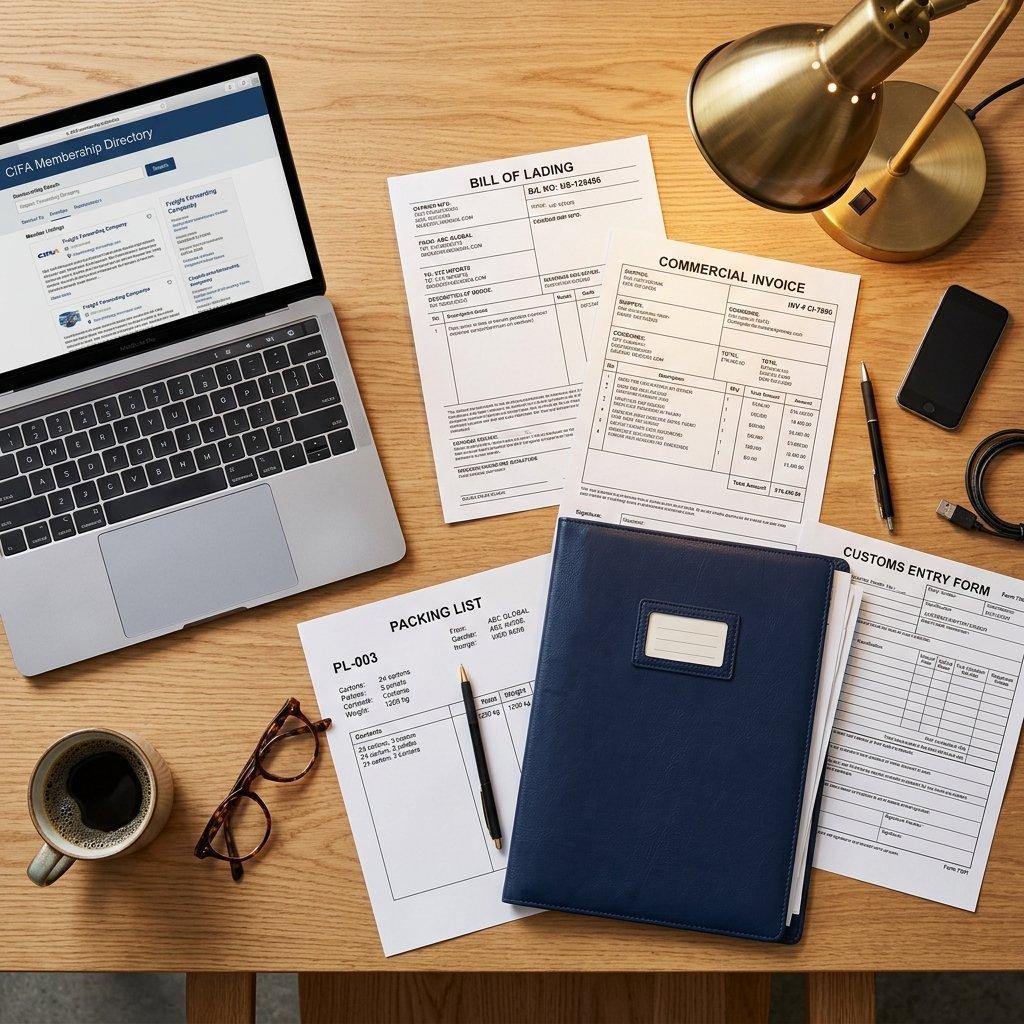
INFOGRAPHIC – 6 Common Mistakes Americans Make When Sourcing & Importing From China
February 4, 2026
This infographic will get you on track when importing from China. Ecommerce sellers from the USA who sell on Amazon, Shopify, Ebay, Jet, WalMart or any other channel tend to make the same basic mistakes when they buy direct from China.
Note: This post is primarily an infographic with limited text content. The main mistakes covered likely align with other Guided Imports articles on supplier verification, quality inspection, payment terms, logistics planning, and holiday scheduling.
TL;DR
- Most importing mistakes are documentation and specification mistakes, not supplier mistakes.
- They repeat because the same steps are skipped: brief, sample approval, written terms, verification.
- Each one is preventable with a written record at the right stage.
Common importing mistakes and the step that prevents each
| Mistake | What actually went wrong | Prevention |
|---|---|---|
| Product is not what was expected | The specification was never written down | Issue one written specification and require it to be quoted against |
| Wrong supplier or wrong entity | Identity and payment details were not checked | Verify the legal entity, address and account name before paying |
| Quotation not comparable | Suppliers priced different products or scopes | Send the identical brief and normalize every quote before comparing |
| Sample approved informally | No record of what was approved | Approve a dated sample revision in writing and link it to the order |
| Cost overrun at destination | Delivery terms and exclusions were unclear | State the exact Incoterms rule, named place and what is excluded |
The pattern: nearly every avoidable importing loss traces back to a step that was skipped or left verbal — an unwritten specification, an unapproved sample, or terms agreed only in chat.
Frequently asked questions
What are the most common mistakes when importing from China?
Unwritten specifications, unchecked supplier identity, non-comparable quotations, informal sample approval and unclear delivery terms. All are documentation failures rather than supplier failures.
How do I avoid importing mistakes?
Use a written record at each stage: specification, supplier verification, normalized quotation, dated sample approval and a purchase order that matches the quotation.
Are importing mistakes more common with new suppliers?
They are more common where no written record exists, which is more likely on a first order. The fix is the same at any stage of the relationship.
Related Articles
Factory Audit Checklist for Chinese Suppliers: 6 Checks Before Bulk Orders
Use this factory audit checklist to verify a Chinese supplier’s identity, production controls, capacity, subcontractors and corrective actions before you commit to a bulk order.
Read More
Landed Cost of Importing from China: Formula, Checklist & Example
Build a landed-cost model for imports from China with six cost buckets, official customs-source checks and an illustrative calculation that keeps unknown charges visible.
Read More
1688 vs Alibaba: Which Platform Fits Your Imports?
1688 vs Alibaba compared for importers: price gaps, MOQs, payment protection, language and export support — and how an agent bridges the two.
Read MoreReady to Import from China?
Get a free, all-inclusive freight quote from our team within 4 business hours.