
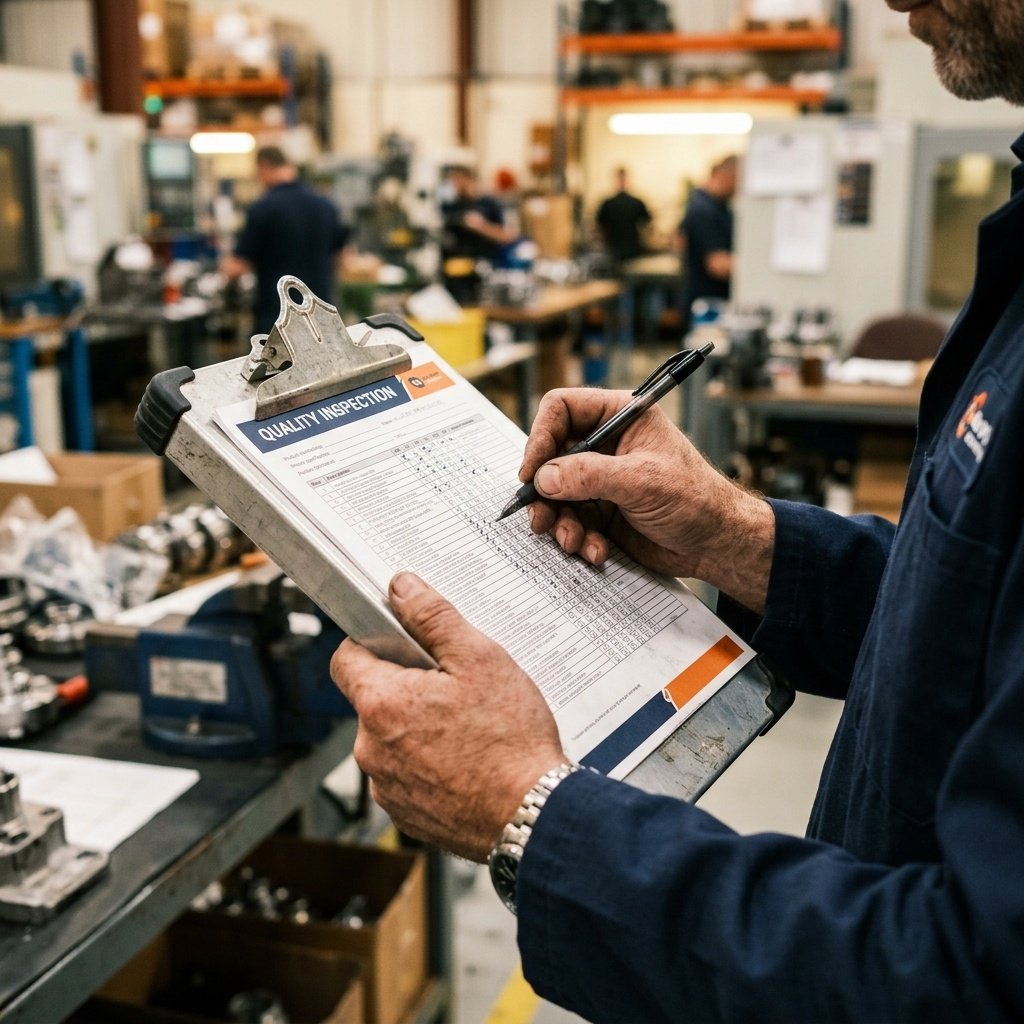
The Pre-Shipment Inspection Procedure Explained
September 27, 2022
A pre-shipment inspection (PSI) is a defined check of goods before export release. It gives the buyer evidence about quantity, workmanship, packaging, labels, dimensions, and agreed function checks while corrective action is still possible in China. It does not replace product certification, laboratory testing, customs classification, or the buyer’s responsibility to define the specification.
Quick answer
- Schedule PSI when the agreed goods are sufficiently complete and available for the inspector to examine; the timing depends on the production and packing plan.
- Use an approved product specification, sample, packing list, and inspection checklist—not a generic visual review alone.
- Googol’s standard inspection workflow uses ISO 2859-1 sampling concepts with AQL 2.5 and records the lot, sample, defect categories, and acceptance decision in the report.
- AQL is a sampling and acceptance framework; it is not a guarantee that every unit is defect-free.
When should a pre-shipment inspection happen?
PSI is normally scheduled near the end of production, once the goods and packaging are available for the agreed checks and before the shipment is released. The practical trigger is not a universal percentage; it is whether the lot, cartons, labels, and test items can be inspected against the approved brief. Record the cargo-ready date, lot size, factory address, and requested inspection date before booking.
If production is incomplete, the inspector may not be able to verify the full order. If the cargo has already shipped, a PSI can no longer provide the same pre-release control. Rescheduling or a follow-up inspection may be needed when the available goods do not match the agreed scope.
What a PSI should check
| Checkpoint | Evidence to collect | Example questions |
|---|---|---|
| Quantity and cartons | Carton count, product count, packing list, and lot identity | Does the inspected lot match the order and packing documents? |
| Packaging and marks | Inner/outer packaging, carton marks, labels, palletization, and damage | Can the cargo be handled and identified as specified? |
| Workmanship | Sample observations against approved sample and defect criteria | Are critical, major, and minor defects defined before inspection? |
| Dimensions and function | Measurements, weight checks, function tests, and photos where applicable | Which tolerance and test method does the buyer require? |
| Documents and evidence | Packing list, invoice, certificates or test reports if required, photos, and video | What evidence must be attached before release or rework? |
How AQL 2.5 fits the inspection
ISO 2859-1 describes sampling schemes indexed by an acceptance quality limit (AQL) for lot-by-lot inspection. AQL does not mean that 2.5% of units are automatically acceptable, and it does not define the product specification. The agreed lot size, inspection level, defect classification, sample size, and accept/reject numbers must be recorded for the specific inspection.
Googol’s standard workflow uses AQL 2.5 with General Inspection Level II unless the approved project brief specifies another plan. Critical defects are treated separately from major and minor defects. The report should show the actual sample, actual findings, and the decision against the agreed criteria; never fill in a result before the inspection evidence exists.
PSI is not a product guarantee
A sample-based inspection can identify evidence in the inspected lot. It cannot guarantee every unit, future production, regulatory approval, safe use, or Amazon receiving. Add laboratory testing, certification, or product-specific compliance work when the product or destination requires it.
Controlled inspection workflow
- Prepare the brief: product, SKU, PO, lot size, approved sample/specification, tolerances, packaging, labels, destination, and required tests.
- Confirm readiness: factory address, contact, production status, cartons available, and inspection date.
- Inspect: quantity, packaging, labels, visual workmanship, dimensions, function, and documents within the agreed scope.
- Record evidence: defect counts by category, measurements, notes, photos, and video where included.
- Issue the report: sample details, findings, acceptance decision, open issues, and recommendations.
- Close exceptions: approve release, rework, replacement, follow-up inspection, or escalation from the actual report.
What the client should provide for a quote
- Product name, SKU, material, drawings or approved sample, and destination market.
- Purchase order quantity, carton plan, factory address, and cargo-ready date.
- Critical dimensions, tolerances, function tests, label and packaging requirements.
- Defect definitions or acceptance criteria, including any critical safety concerns.
- Required documents, photos, video, certificate checks, and report deadline.
Review the AQL 2.5 FBA checklist for an Amazon-focused scope and Amazon product inspection guidance for related checks. If supplier verification is also needed, start with verification before payment.
Frequently asked questions
Is pre-shipment inspection mandatory for every shipment?
No. A buyer may require it contractually, a destination may require a specific certificate, or the risk profile may justify it. Confirm the destination and product rules separately; PSI is not automatically a customs requirement.
Does AQL 2.5 mean 2.5% of the order may be defective?
No. AQL is part of a sampling and acceptance plan. The sample size and accept/reject numbers depend on the lot and inspection parameters, and defect classes are evaluated against the agreed plan.
What should the inspection report contain?
It should identify the inspection date, factory, product, lot, sample plan, checks performed, measurements, defect counts, photos or video where included, documents reviewed, and the decision or next action supported by the evidence.
Sources checked
- ISO 2859-1:2026 — Sampling procedures for inspection by attributes — official standard page; checked 2026-09-13.
- Googol Traders internal inspection checklist standard — internal operating reference; reviewed 2026-09-13.
Request a China-side inspection
Use this procedure to prepare your scope, then see our pre-shipment inspection services in China when you are ready to discuss the visit.
Related Articles

How to Spot Fake Certificates When Importing from China
If you’re a small brand, or don’t manufacture your own products, the authorities expect you to be liable for all aspects of your products safety. It can be estimated that around 30% of all product safety certificates coming out of China are fake. Sure, a fake certificate could get your goods through customs, but they [ ]
Read More
QIMA vs SGS: Who's Better for Pre-Shipment Inspections?
Compare QIMA and SGS for pre-shipment inspection by scope, reporting, coverage, and importer fit before choosing a provider for a China shipment.
Read MoreBest Pre-Shipment Inspection Companies: How to Compare Providers
A comparison guide to pre-shipment inspection providers: what to check in coverage, scope, reports, and China-factory fit before you request an inspection.
Read MoreReady to Import from China?
Get a free, all-inclusive freight quote from our team within 4 business hours.