
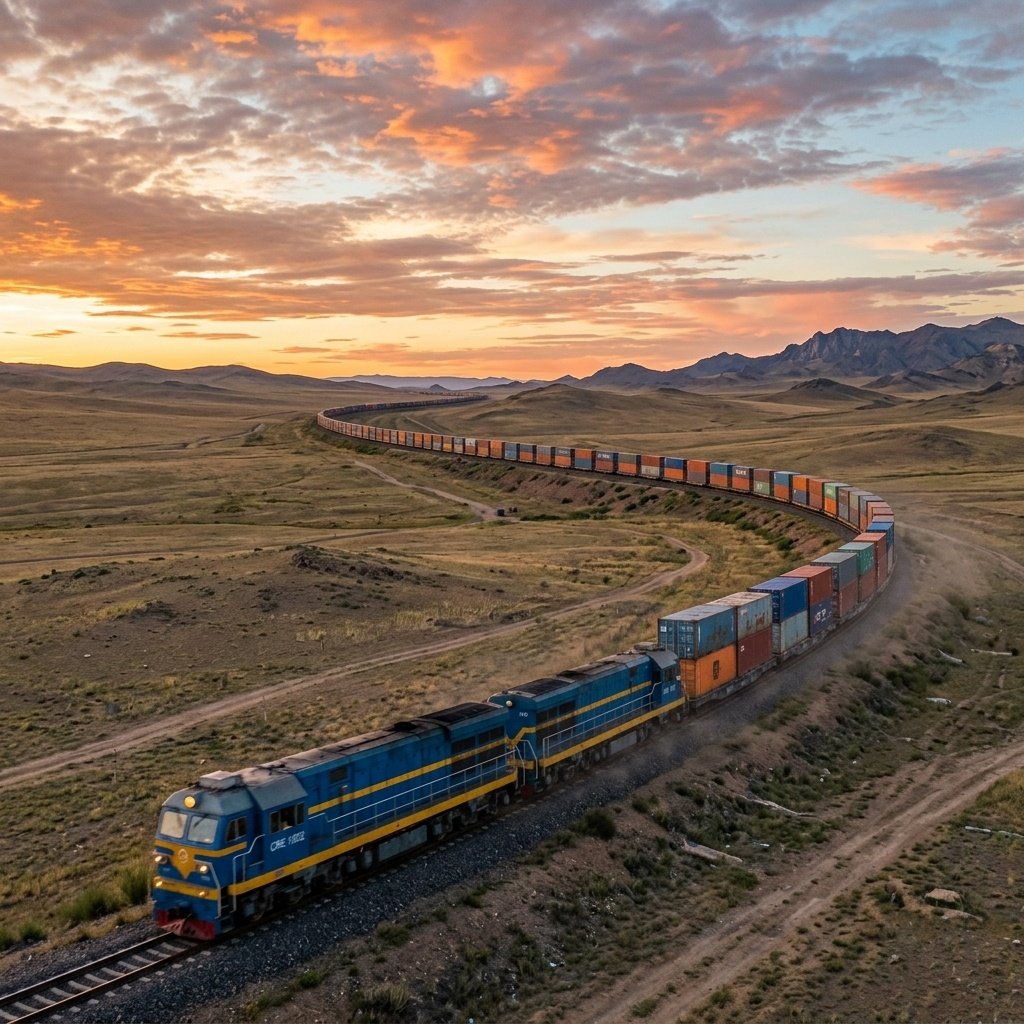
China-Europe Railway Freight: Silk Road Routes, Transit Times, and Costs
June 9, 2026
For B2B importers shipping goods between China and Europe, finding the right logistics mode requires balancing cost and speed. While ocean freight remains the cheapest option, long voyages can delay supply chains. Air freight is fast but can be cost-prohibitive for heavier goods. China-Europe railway freight offers a highly effective middle-ground solution, combining reliable transit times with stable pricing.
TL;DR — Key Takeaways
- Stable Transit Times: Rail cargo reaches Central Europe (Poland/Germany) in 15–22 days, saving up to 20 days compared to ocean shipping.
- Cost-Effective: Railway shipping is roughly 60–70% cheaper than air freight, making it ideal for heavy machinery, auto parts, and consumer goods.
- Environmental Advantage: Rail freight generates up to 90% fewer carbon emissions than air transport, supporting corporate sustainability goals.
Average transit time for railway cargo from inland Chinese terminals to hubs in Central Europe.
The New Silk Road: The Logistics of China-Europe Rail Freight
The China-Europe railway network—often referred to as the “New Silk Road” or the CR Express (China Railway Express)—is a vast network of tracks connecting Chinese industrial centers with logistics hubs across Central Asia, Russia, and Europe. Operating on fixed schedules, block trains transport standard shipping containers across thousands of kilometers, bypassing crowded ocean shipping lanes.
The Three Main Rail Corridors and Gateway Ports
Rail freight between China and Europe operates along three primary geographical corridors, each serving different origins and destination regions:
1. The Middle Corridor (Northern Route via Russia)
The most active route leaves China via the Alashankou or Khorgos border gates in Xinjiang. It travels through Kazakhstan, Russia, and Belarus before entering Poland at the Małaszewicze rail terminal—the main railway gateway to Western Europe. From Poland, containers are dispatched to Germany, France, and the Netherlands. This is the fastest and most popular route for European B2B importers.
2. The Northern Corridor (Trans-Siberian Route)
This route runs from northern and eastern China (Yiwu, Shenyang, Harbin) through the Manzhouli or Erlianhot border gates. It joins the Trans-Siberian Railway in Russia and travels west toward Moscow, Belarus, and Western Europe. This corridor is ideal for cargo originating in northern industrial provinces.
3. The Southern Corridor (Trans-Caspian Route)
To bypass traditional transit hubs, this route runs from Xinjiang through Kazakhstan, across the Caspian Sea by rail ferry to Azerbaijan and Georgia, through Turkey, and into Southern Europe (Italy, Greece, Spain). While visually complex and subject to maritime weather delays, it provides a crucial alternative route.
Key Destination Countries and Transit Times
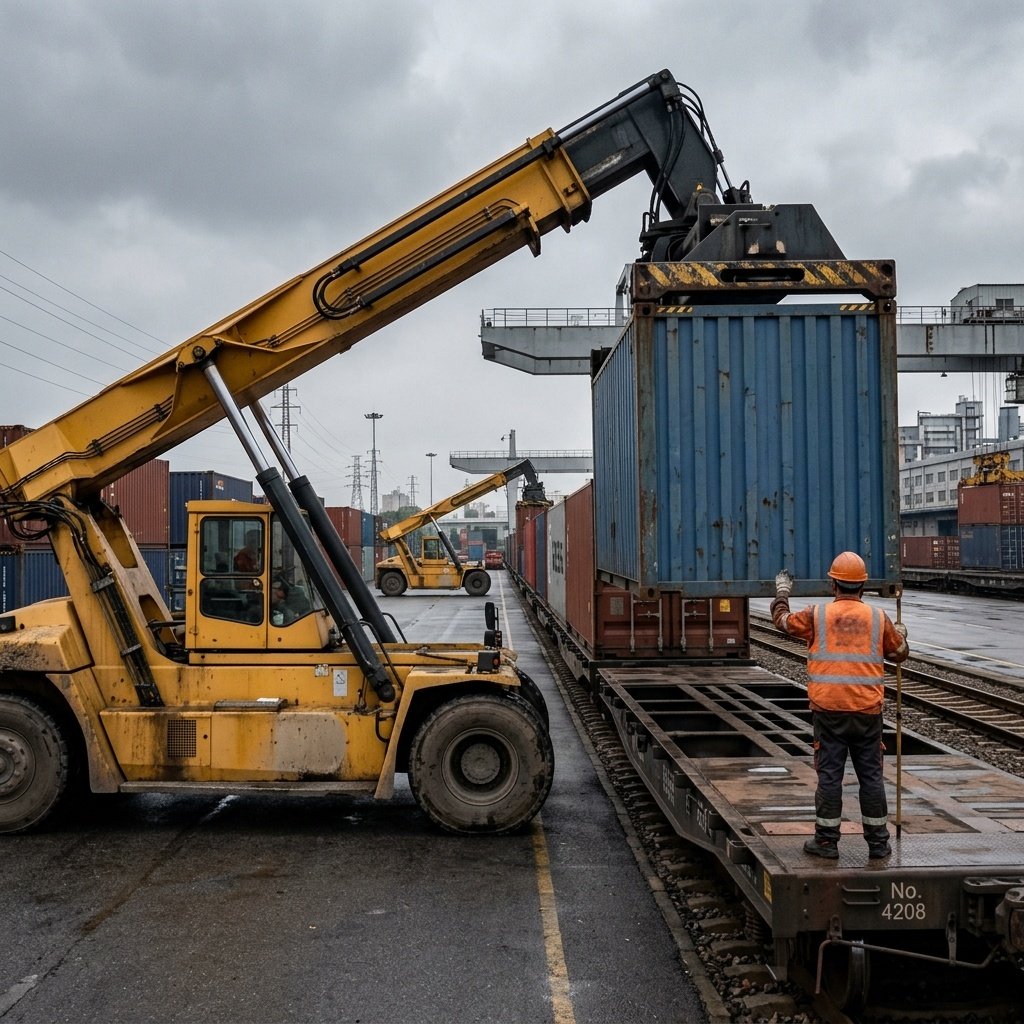
Rail transit times are highly stable due to fixed scheduling. The table below outlines typical transit times and terminal hubs for shipments handled by Googol Traders:
| Destination Country | Primary Rail Terminal | Transit Time (Terminal-to-Terminal) | Average Cost vs. Sea Freight |
|---|---|---|---|
| Poland | Małaszewicze / Warsaw | 14–18 Days | 1.8x (Fast distribution) |
| Germany | Duisburg / Hamburg | 16–20 Days | 2.0x (Direct industrial hub) |
| France | Paris / Lyon | 18–22 Days | 2.2x (Door-to-door option) |
| Russia | Moscow (Vorsino / Bely Rast) | 10–14 Days | 1.5x (Direct land bridge) |
| Kazakhstan / Uzbekistan | Almaty / Tashkent | 5–8 Days | 1.8x (Bypasses all sea routes) |
Rail Freight vs. Sea Freight vs. Air Freight
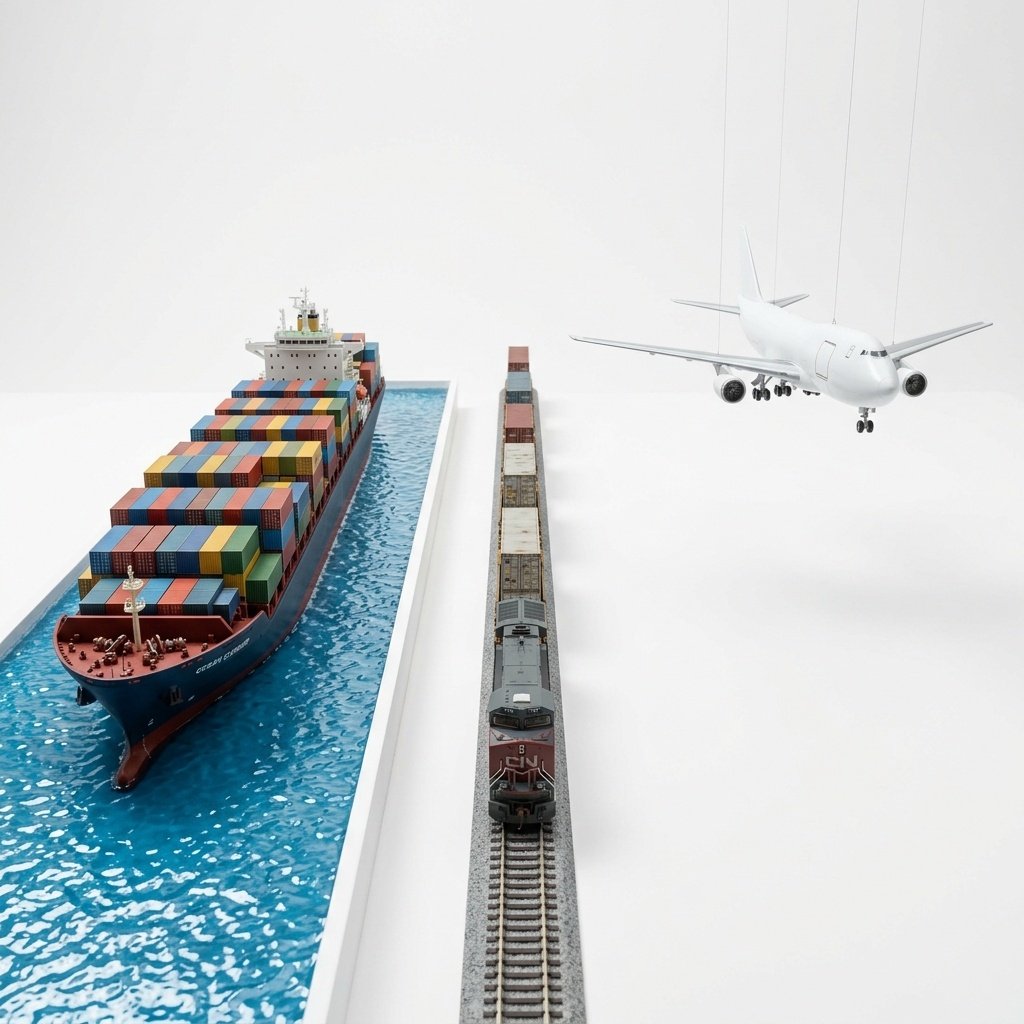
Understanding where rail fits compared to other modes is essential for supply chain planning:
- Speed: Rail is roughly twice as fast as ocean shipping (15 days vs. 35 days).
- Cost: Rail is significantly cheaper than air cargo (up to 70% savings), though slightly more expensive than ocean freight.
- Reliability: Trains run on fixed schedules and are unaffected by sea weather or port congestion, resulting in predictable delivery dates.
The Gauge Discrepancy: How Cargo Moves Across Gauge Breaks
A unique feature of the transcontinental rail route is the difference in track gauges. China and Western European countries use standard track gauge (1435 mm), while Russia, Kazakhstan, and Belarus use broad gauge (1520 mm).
Understanding Gauge Breaks
When a train reaches the border (e.g., Khorgos on the China-Kazakhstan border, and Brest/Małaszewicze on the Belarus-Poland border), the containers must be transferred. Massive gantry cranes lift the shipping containers from the incoming train flatcars and place them onto the outgoing train flatcars. This process is highly automated and takes only a few hours, but it requires careful coordination by your freight forwarder.
Practical Tips for Booking Rail Cargo
To maximize the efficiency of your rail shipments, keep these guidelines in mind:
Pro Tip: Account for Seasonal Weather
During winter, temperatures along the northern Siberian rail route can drop below -30°C. If you are shipping liquids, batteries, or sensitive electronics that are vulnerable to freezing, use insulated container liners (thermal blankets) or active reefer containers to protect your cargo.
FAQs
Can I ship LCL (Less-Than-Container-Load) cargo by rail?
Yes. Googol Traders offers consolidated LCL rail services. We combine cargo from multiple importers into a single container at our warehouses in China and deconsolidate them at terminals in Europe, providing a cost-effective option for smaller shipments.
What types of products are best suited for rail shipping?
Rail freight is ideal for automotive components, heavy machinery, consumer electronics, clothing, and packaged retail goods. It is less suited for short-shelf-life goods or extremely high-value items that require express air shipping.
How secure is railway transport across Central Asia?
Very secure. Block trains are sealed at the origin terminal, and the seals are checked at border crossings. The trains travel along secure corridors with constant GPS tracking, and containers are rarely opened or delayed during transit.
Where Rail Genuinely Fits on China-Europe Lanes
Rail fits when your replenishment cycle sits between sea’s patience and air’s urgency — corridor choice and winter operations decide whether it delivers that promise.
Quick answer: Book rail earlier than sea in peak season; capacity swings harder on thinner corridors.
| Priority profile | Sea | Rail | Air |
|---|---|---|---|
| Cost-first replenishment | Best fit | Viable middle | Overkill |
| Balance of speed/cost | Too slow sometimes | Sweet spot | Expensive insurance |
| Time-critical launches | No | Sometimes | Yes |
Quick-reference checklist
- Confirm corridor variant + winter operations impact
- Book rail EARLY in peak; capacity swings harder than sea
- Plan the gauge-change handoff and terminal pickup SLA
- Compare rail quotes door-costed, not rail-leg-only
Questions buyers actually ask
- How fast is rail really? — Between sea and air with corridor-dependent variance; get current schedules rather than memorized numbers.
- Which corridors exist? — Multiple variants through Central Asia with different characteristics.
- When does rail beat both sea and air? — Mid-urgency replenishment where sea is too slow and air too expensive.
Watch out: Winter operations and gauge-change points affect reliability; ask about them explicitly.
Useful next steps on this site: our strategic rail service page · road alternative on shorter legs · size a rail-consolidated shipment
Sources checked 2026-08-25 including Seafreightgo — Rail Cost/Time/Routes. Rates and timelines change — always confirm with a current quotation.

Written by Muhammad Fahad, Logistics Operations Specialist at Googol Traders. Last updated: 2026-06-09.
Related Articles
China to Europe Shipping Times: What to Expect for Air, Sea and Rail Freight
Realistic China-to-UK shipping timelines for sea, rail, and air freight, including factory production and customs clearance time.
Read More
China to Europe Shipping: Air, Sea & Rail Freight Compared
Compare air, sea, and rail freight from China to the UK on cost, speed, and use case, with a practical decision framework.
Read More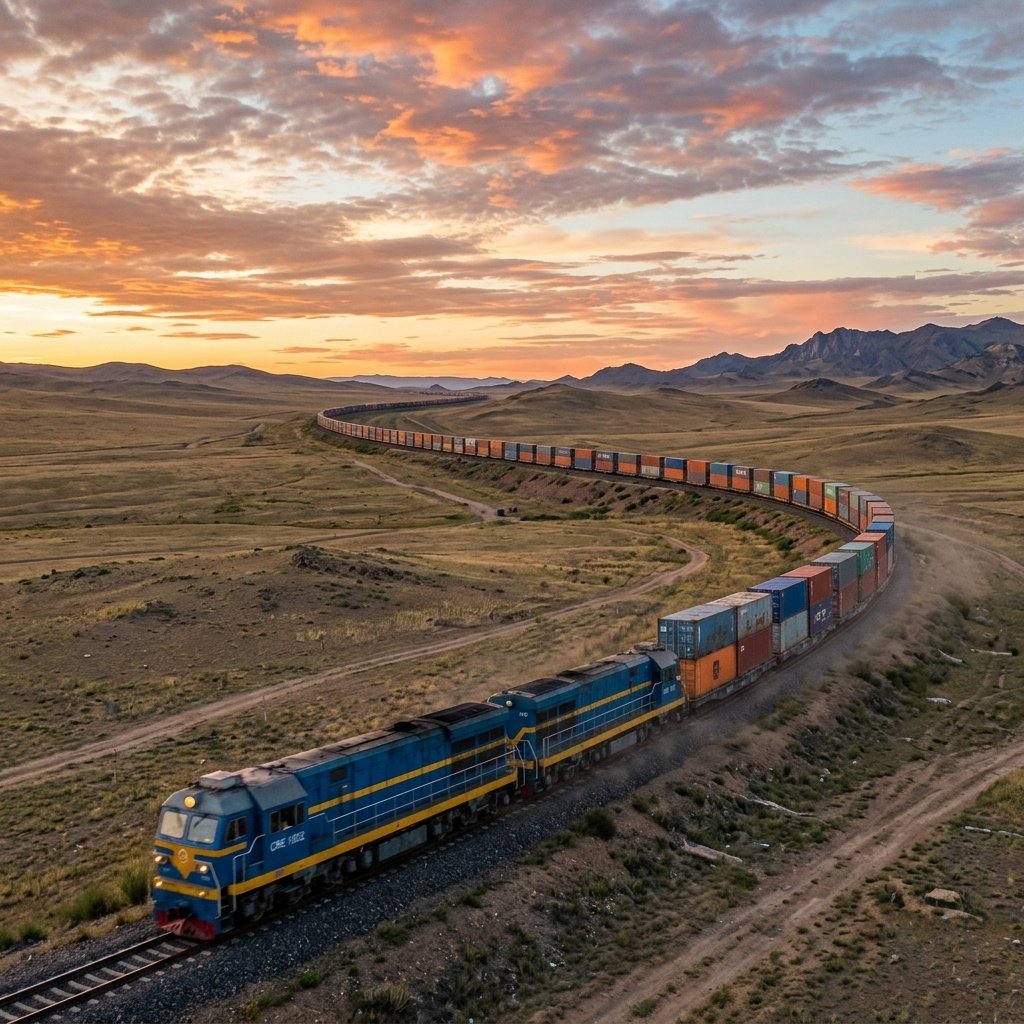
China–Europe Rail Freight: A Strategic Balance of Speed and Cost
Rail freight from China to Europe offers transit times of 14–18 days — faster than sea, more affordable than air. Discover how Googol Traders uses the China–Europe rail network to serve importers across Europe and the Middle East.
Read MoreReady to Import from China?
Get a free, all-inclusive freight quote from our team within 4 business hours.