
LCL vs FCL Shipping from China to USA (2026): Costs Compared
August 21, 2026
Your container choice decides your landed cost before the vessel even sails. Ship 12 CBM as LCL and you’ll pay per cubic meter plus consolidation fees; ship it inside a 20ft container and you pay one flat rate — but only if the math is on your side. This guide compares real 2026 rates, transit times, and the hidden fees that decide which option actually wins.
TL;DR
- LCL wins under ~15 CBM; FCL wins at 15+ CBM — but all-in fees move the real crossover to 18–22 CBM.
- 2026 LCL runs $80–$125 per CBM China→US West Coast; a 20ft FCL runs $2,800–$3,600.
- FCL is faster by 2–7 days end-to-end and safer for fragile or high-value goods — one handling, no shared-container risk.
- Compare quotes all-in: destination CFS fees add $300–$600 to headline LCL rates that look cheaper than they are.
The volume where FCL starts beating LCL on total landed cost
LCL vs FCL: The 30-Second Answer
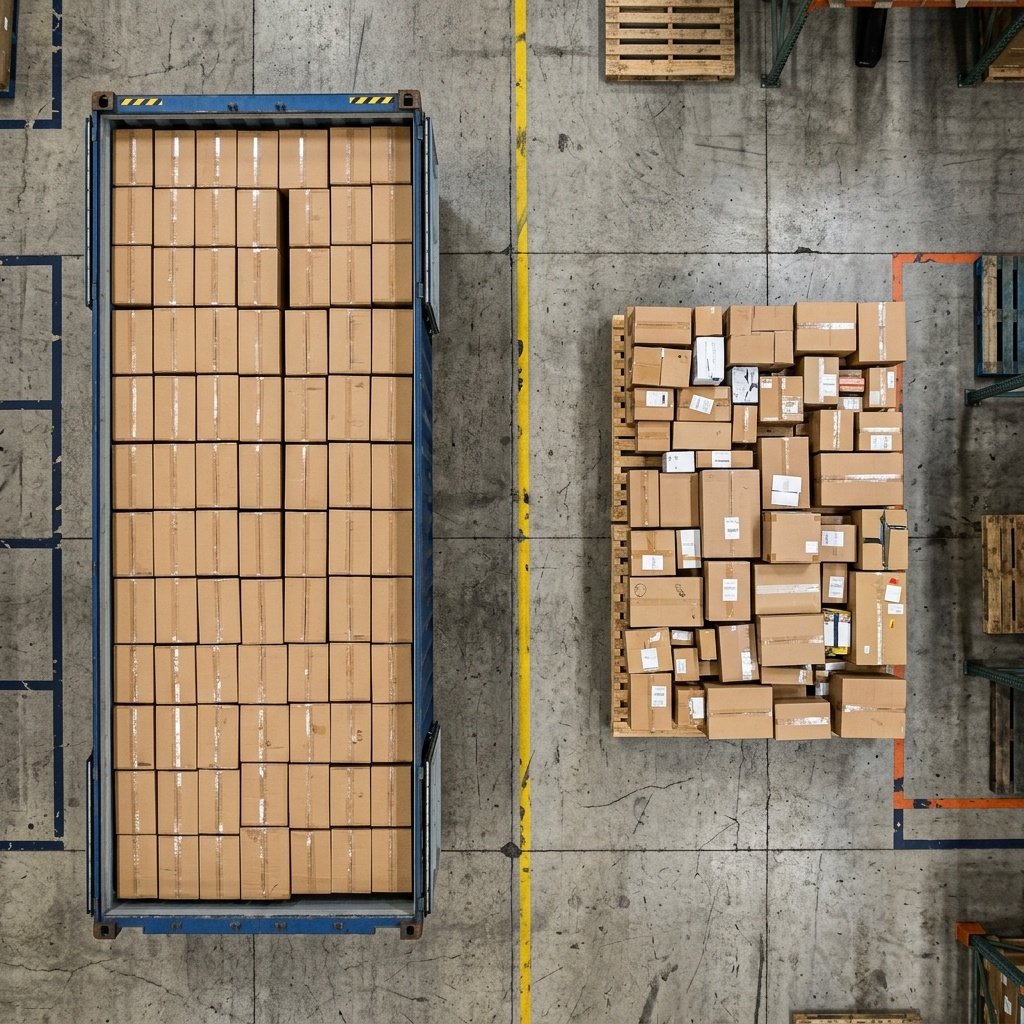
LCL (Less than Container Load) means your cargo shares a container with other shippers’ goods — you pay per cubic meter. FCL (Full Container Load) means you book an entire container exclusively at a flat rate. The decision reduces to volume: under roughly 15 CBM, pay-per-CBM wins. Above 15 CBM, the flat rate beats per-CBM math every time.
- LCL (Less than Container Load)
- Your goods are consolidated with other shippers’ cargo at an origin CFS warehouse, shipped, then deconsolidated at destination. Best for 1–15 CBM.
- FCL (Full Container Load)
- You rent an entire 20ft (~28 usable CBM) or 40ft HQ (~58–68 usable CBM) container. Best above 15 CBM.
- CFS (Container Freight Station)
- The consolidation/deconsolidation warehouse where LCL cargo is grouped and split. Every CFS pass adds fees and handling days.
2026 Rates: What Each Option Actually Costs
Ocean rates move with fuel, demand, and season — treat these as working ranges from published 2026 lane data, not fixed quotes:
| Service | Lane | Typical 2026 rate | Transit time |
|---|---|---|---|
| LCL (per CBM) | Shanghai/Shenzhen → Los Angeles | $80–$125 / CBM | 16–25 days port-to-port, +5–10 days CFS handling |
| LCL (per CBM) | Shanghai/Shenzhen → New York | $95–$140 / CBM | 25–32 days port-to-port, +5–10 days CFS handling |
| FCL 20ft | China → US West Coast | $2,800–$3,600 flat | 13–18 days port-to-port |
| FCL 40HQ | China → US West Coast | $4,200–$5,300 flat | 13–18 days port-to-port |
| FCL 20ft / 40HQ | China → US East Coast | $3,200–$5,200 / $4,500–$7,200 | 25–35 days port-to-port |
| DDP door-to-door (LCL) | To West Coast FBA centers | $120–$220 / CBM all-in | 30–45 days door-to-door |
All-in costs run 30–50% above base ocean freight once origin CFS charges ($30–$50/CBM), destination CFS charges ($40–$60/CBM), documentation ($50–$100), customs clearance, and surcharges stack on. Destination charges alone typically add $300–$600 per shipment.
The Hidden Fee Gap: Why Headline Rates Lie
A forwarder quoting $85/CBM with $500 of destination fees loses to a $110/CBM all-in quote. Before comparing any two offers, itemize:
- Origin charges — pickup, export customs, CFS entry: typically $150–$300.
- Destination CFS + delivery order fees — typically $300–$600.
- Customs entry + bond — $150–$400 depending on broker and bond type.
- Inland trucking — $450–$800 depending on distance from port.
- Exam/hold risk — $300+ if CBP flags the container, plus storage during the exam.
- Demurrage/detention — $75–$150/day after free time expires.
Pro Tip
Always request an itemized quote showing origin charges, ocean freight, destination charges, customs, and delivery separately — then compare totals under the same Incoterm (FOB vs DDP). An all-in DDP number is the only fair comparison basis between forwarders.
When LCL Wins
Under ~15 CBM, LCL’s pay-per-CBM model keeps upfront cost low and inventory risk small:
- Testing new products or new supplier relationships (1–3 CBM trial orders).
- Cash-flow-sensitive importers splitting orders across months.
- Multi-supplier buyers consolidating several small POs into one weekly sailing.
- Non-urgent replenishment where +5–10 days of transit doesn’t hurt sales.
Common Mistake
Shipping multiple separate LCL shipments when one consolidation would do. Every extra LCL booking repeats origin CFS, documentation, and destination deconsolidation fees — three separate 5-CBM LCLs almost always cost more than one 15-CBM consolidation. Consolidate at a China warehouse first, then ship once.
When FCL Wins
- The volume math flips around 18–22 CBM all-in. At $90/CBM effective all-in, 20 CBM ≈ $1,800 base + ~$900 in fixed fees vs a 20ft FCL at $2,800–$3,600 — the exact crossover moves with rates, so calculate both ways each booking instead of trusting folklore.
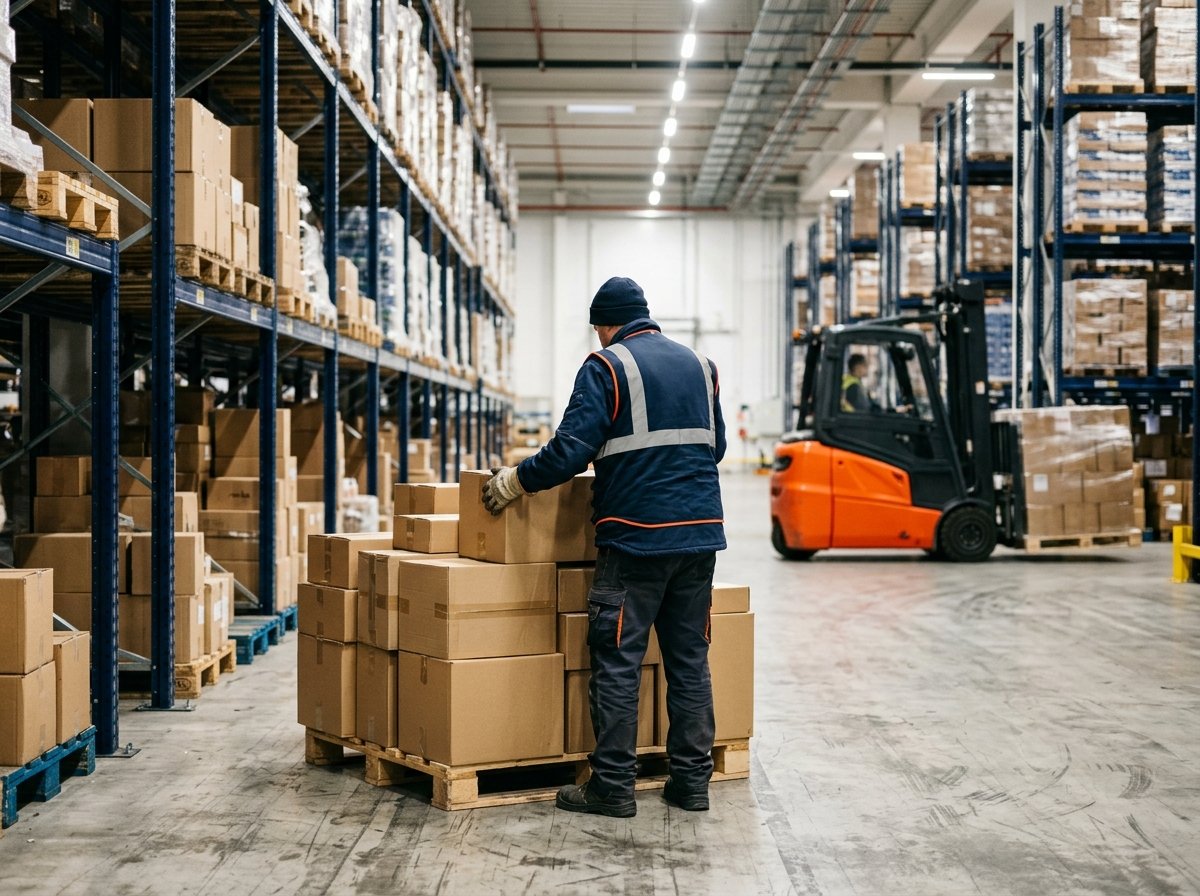
- Fragile or high-value cargo. One handling event instead of two CFS passes cuts damage risk dramatically — for glass, ceramics, furniture, and appliances this alone decides the booking.
- Speed. No consolidation wait at origin, no deconsolidation wait at destination — FCL runs 2–7 days faster door-to-door.
- Cargo security. Your container gets its own seal; nothing enters or leaves it between your factory and the destination dock.
Damage Risk & Handling: What Nobody Prices In
LCL cargo gets handled twice at minimum: consolidated at origin CFS, deconsolidated at destination CFS. Each touch adds damage exposure that never appears in the freight rate — it appears in claims. For fragile goods the claim-rate difference between LCL and FCL is the deciding factor regardless of price. If your AQL inspection already flags fragility issues at the factory, LCL multiplies that risk across two more handling events.
How to Decide in 60 Seconds
| Factor | Choose LCL if… | Choose FCL if… |
|---|---|---|
| Volume | Under ~15 CBM | Over ~15–20 CBM all-in equivalent |
| Cash flow | Prefer smaller per-shipment outlays | Can fund one larger order for a lower unit cost |
| Cargo type | Durable, cartonized, non-fragile goods | Fragile, high-value, oversized, or palletized loads |
| Urgency | Flexible timeline, non-urgent restock | Deadline-bound (Q4, product launches) |
| Suppliers | One supplier, one city | Multiple suppliers — consolidate into one container |
Frequently Asked Questions
Is LCL always cheaper than FCL?
No — under roughly 15 CBM yes, above that FCL’s flat rate usually wins. All-in fixed fees push the true crossover closer to 18–22 CBM, so calculate both ways before booking rather than relying on rules of thumb.
Does LCL take longer than FCL?
Yes — budget 5–15 extra days door-to-door. Consolidation at the origin CFS and deconsolidation at the destination CFS add handling time on top of vessel transit.
What does LCL shipping cost per CBM in 2026?
$80–$125 per CBM China→US West Coast and $95–$140 to the East Coast as base freight, before destination fees which typically add $300–$600 per shipment. All-in DDP LCL service to FBA centers runs $120–$220 per CBM.
When should I switch from LCL to FCL?
When regular volume crosses roughly 15–20 CBM, or when fragile goods make single-handling worth the premium. Run both calculations each booking — the crossover point shifts with seasonal rates.
How do I avoid hidden LCL fees?
Demand an itemized all-in quote under a single Incoterm (ideally DDP). Compare origin charges, destination CFS fees, documentation, customs entry, trucking, and free-time terms line by line — not just the headline per-CBM rate.
Use the All-In Quote Test, Not a Headline Rate
The safest LCL-versus-FCL decision is a like-for-like comparison. Ask every forwarder to quote the same origin, destination, cargo description, package count, dimensions, gross weight, Incoterm, customs scope, delivery point, and free-time assumptions. If one quote omits a charge, it is not cheaper yet; it is incomplete.
| Check | Choose LCL when… | Choose FCL when… | Action before booking |
|---|---|---|---|
| Shipment volume | The measured cargo does not justify reserving a container after fixed charges are included. | The cargo uses enough space that a container quote produces a lower comparable unit cost. | Calculate both totals from the same quote scope; do not copy a generic CBM threshold. |
| Handling sensitivity | Cartons are durable, sealed, and able to tolerate consolidation handling. | Fragile, high-value, oversized, or palletized cargo benefits from fewer shared-cargo handoffs. | Ask who handles loading, devanning, inspection, and delivery, and record the answer. |
| Deadline | The replenishment window can absorb consolidation and deconsolidation variability. | A launch or restock date makes rollover and CFS timing material risks. | Request the current sailing, cut-off, estimated arrival, and contingency plan in writing. |
| Quote scope | Origin handling, CFS, documentation, customs, delivery, and insurance are itemized. | The flat container price lists the same destination and delivery components as the LCL quote. | Reject a comparison that mixes EXW, FOB, CIF, or DDP without reconciling responsibilities. |
A Rate-Free Calculation You Can Reuse
Illustrative calculation — not a live freight quotation: LCL comparable total = quoted LCL freight component × chargeable volume + origin handling + origin CFS + documentation + destination CFS + customs-entry or brokerage charges + final delivery + any agreed insurance. FCL comparable total = quoted container freight component + origin handling + documentation + destination terminal or delivery charges + customs-entry or brokerage charges + final delivery + any agreed insurance. Divide each total by the same unit—shipment, carton, CBM, or sellable unit—only after both totals use the same scope.
- Copy the package data from the packing list; do not estimate CBM from a product title.
- Request an itemized quote for LCL and the smallest suitable FCL option under the same delivery assumption.
- Circle every line marked excluded, estimate, subject to change, or payable at destination.
- Run the comparison again if the destination, Incoterm, cargo classification, or delivery deadline changes.
Procurement check
Send the forwarder a single-page quote brief containing origin, destination ZIP or port, carton count, dimensions, gross weight, cargo description, target delivery date, and whether you need customs or FBA delivery. This produces a more useful comparison than asking only for a per-CBM rate.
Related Reading
- FBA prep, packaging, and labeling guide — confirm the receiving requirements before choosing a mode for Amazon inventory.
- US de minimis and entry changes — check destination-entry assumptions that can change landed cost.
- Blank-sailing risk and rolled cargo — add capacity and deadline risk to the mode decision.
Sources and update note: Checked 2026-08-24. Use CBP e-commerce guidance for current US entry treatment and Amazon’s FBA prep guidance for receiving requirements. Freight rates, schedules, CFS charges, and DDP inclusions change; the ranges in the existing article must be replaced or explicitly labeled as illustrative until supported by a current written quote.

Muhammad Fahad, Co-founder & Operations Lead, Googol Traders · Last updated: 2026-08-21
Related Articles
The $800 De Minimis Exemption Is Gone: What E-commerce Sellers Must Do (2026)
De minimis is suspended for all countries — every ≤$800 shipment needs entry + duties now. Why consolidated DDP freight beats the parcel model, with the full 2026 timeline.
Read More
Jeddah vs Dammam vs Riyadh: Which Gateway Should Saudi Importers Use? (2026)
Jeddah, Dammam or King Abdullah Port? Compare transit, inland trucking and landed cost for China→Saudi cargo — including the Riyadh gateway decision framework.
Read More
Suez Is Reopening — So Why Aren’t Freight Rates Falling? (2026)
Suez traffic hit a 2.5-year high in August 2026, yet container rates stay elevated. What the MSC/Maersk Suez return really means for China→Saudi and global freight.
Read MoreReady to Import from China?
Get a free, all-inclusive freight quote from our team within 4 business hours.