
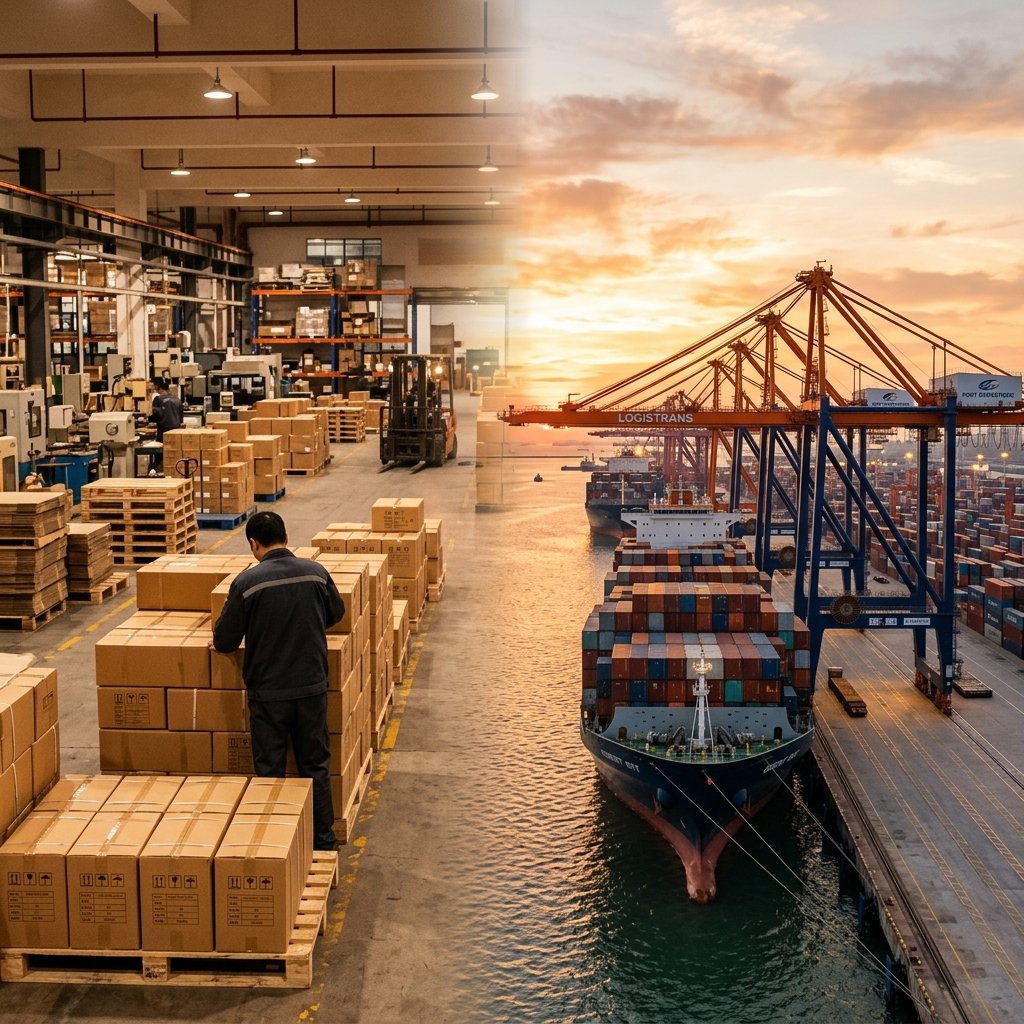
Sourcing in China Is on Its Way to Pre-Pandemic Rates
February 19, 2024
By: QIMA Date: Feb 19, 2024 Categories: Traceability
While China was once the primary supplier for global supply chains, the COVID pandemic caused many companies to shift their suppliers to southeast Asia and nearshore locations. A recent QIMA survey, however, indicates that they’re shifting back to Chinese suppliers.
China’s Sourcing Volume Trends
Where China once held 67% of the relative share in sourcing volumes for US- and EU-based buyers, China’s sourcing volumes fell as low as 48% in 2022. These shifts in sourcing trends came with the COVID-19 pandemic and increasing geopolitical tensions, which prompted many US- and EU-based buyers to transition their sourcing to Southeast Asian suppliers and nearshoring to reduce their supply chain risks.
However, 2023 sourcing data reveals a steady rise in sourcing from China, with data suggesting that China may be recovering from recent years’ downturns. QIMA’s data, surveyed from over 800 businesses, showed a notable increase of 5.4% year-over-year (YoY) demand for inspections and audits from US- and EU-based buyers in China.
This upward trajectory, first observed in QIMA’s Q4 2023 barometer, marks the first increase in China’s share in these buyers’ supplier portfolios since 2018.
Key Figures
QIMA data reveals:
- Sourcing in China is on the rise for the first time in years: China’s relative share in US- and EU-based supplier portfolios rose 5.4% YoY in 2023, showing the first uptick for the first time in five years.
- Usage of Chinese sourcing will likely increase in 2024: Over half (59%) of US buyers and (68%) of EU-based buyers plan to increase or maintain current buying habits with China, while only 30% of US buyers and 20% of EU buyers intend to reduce sourcing in China.
The Future of China’s Role in Global Supply Chains
The upward shift in China’s trajectory indicates its recovery in global supply chains; however, this is not a guarantee that it will return to pre-pandemic sourcing rates. As China continues to reassert its position in global supply chains, it may have to compete with the growing markets in Southeast Asia and the growing trend of nearshoring.
Fortunately, the optimism surrounding sourcing in China is backed by additional data showing significant interest from Western countries. According to a recent QIMA survey, 59% of US-based respondents and 68% of those headquartered in the EU plan to either maintain or increase their business volumes with Chinese suppliers.
Although 2023 trends paint a promising picture for China’s recovering role in the global economy, businesses must remain cognizant of the current geopolitical landscape and its potential implications.
TL;DR
- China sourcing capacity has recovered, but the buyer-side risk is unchanged.
- Recovery changes availability and lead times, not the need to verify suppliers and specifications.
- Treat increased supplier availability as a reason to compare more carefully, not less.
What changes when sourcing capacity recovers
| Factor | Effect of recovery | What the buyer should still do |
|---|---|---|
| Supplier availability | More candidates to choose from | Compare against one written brief rather than browsing |
| Quotation lead time | Often faster responses | Normalize quotes before comparing them |
| Production scheduling | Generally more capacity | Confirm the start event and completion window in writing |
| Quality risk | Unchanged by capacity | Keep specification, sample approval and inspection in place |
What recovery does and does not change: more available suppliers means more choice. It does not change the need to verify the entity, agree a written specification or inspect before dispatch.
Frequently asked questions
Has China sourcing recovered?
Capacity and supplier availability have broadly recovered. That changes choice and scheduling rather than removing buyer-side risk.
Does more supplier choice mean lower risk?
No. More candidates means more to compare. Risk sits in the specification, verification and inspection steps, which recovery does not change.
Should I change my sourcing process now?
Keep the same controls: written specification, verified entity, normalized quotations, approved sample and inspection before dispatch.
Related Articles
Factory Audit Checklist for Chinese Suppliers: 6 Checks Before Bulk Orders
Use this factory audit checklist to verify a Chinese supplier’s identity, production controls, capacity, subcontractors and corrective actions before you commit to a bulk order.
Read More
Landed Cost of Importing from China: Formula, Checklist & Example
Build a landed-cost model for imports from China with six cost buckets, official customs-source checks and an illustrative calculation that keeps unknown charges visible.
Read More
1688 vs Alibaba: Which Platform Fits Your Imports?
1688 vs Alibaba compared for importers: price gaps, MOQs, payment protection, language and export support — and how an agent bridges the two.
Read MoreReady to Import from China?
Get a free, all-inclusive freight quote from our team within 4 business hours.