
The Hormuz Crisis Is a Wake-Up Call: How Supplier Diversification Protects Your Supply Chain
April 9, 2026
Source: <https://blog.qima.com/supply-chain-insights/supplier-diversification-hormuz-supply-chain> Published: Apr 9, 2026 Categories: Product Compliance, Quality Assurance, Quality Control, Supplier Audits, Supply Chain Insights, Sustainability
The Cost Shock Is Here — and It Goes Far Beyond Fuel
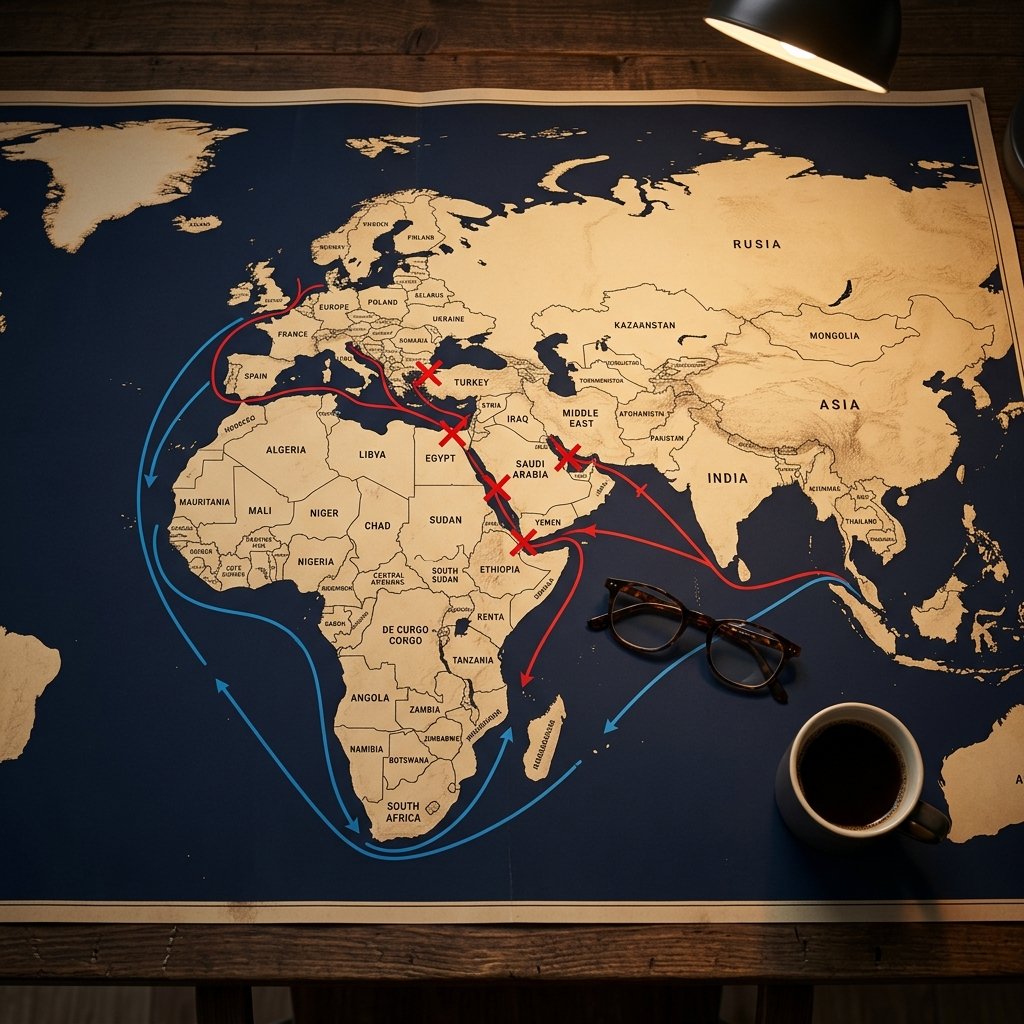
The effective closure of the Strait of Hormuz has sent shockwaves through global supply chains. Since late February 2026, the waterway that normally carries roughly one-fifth of the world’s oil and liquefied natural gas (LNG) has seen traffic drop to near zero.
- Brent crude swinging between $95 and $128 a barrel
- EIA projecting average $115/barrel in Q2
- Some analysts warn prices could reach $150-$200 if crisis deepens
- Naphtha prices in Asia climbed 50% in past month
- Plastic suppliers in China raised prices by approximately 15%
Cost Pressures Were Already Doubling Before Hormuz
According to the QIMA 2026 Global Sourcing Survey of over 1,000 businesses:
- 4 in 5 companies expect costs to be a major supply chain disruption in 2026
- Disruptive potential of every cost category nearly doubled since 2024
- Over 90% of US- and China-based supply chains heavily disrupted in 2025
Supplier Diversification Is Already the Dominant Strategy
The Scale of Movement
- 43% of businesses made notable sourcing geography changes in 2025
- Two-thirds of US businesses diversified
- Supply chains hit hardest by tariffs were twice as likely to diversify
Where the Volumes Are Going
- Vietnam leads: 35% of diversifying supply chains sourced more from Vietnam in 2025
- India and Bangladesh also ranking highly
- Among US buyers, almost half plan to expand Vietnam sourcing in 2026
- Nearshore options (Mexico) feature at about half the rate of Asian alternatives
- QIMA operational data confirms double-digit growth in Indonesia, Cambodia, Philippines
Diversification Drives Growth, Not Just Risk Reduction
- 39% of companies that diversified in 2025 increased buying volumes vs. 24% of non-diversifiers
- Diversification functions as both a shield and a growth lever
The Hidden Risk: Speed Without Safeguards
Quality Slips When Inputs Change
Volatile petrochemical costs push suppliers to substitute materials without flagging changes. One retailer losing $266,000/year to undetected test failures saved $1.8M over two years after implementing data-driven testing.
Compliance Gaps at New Factories
- Half of all supply chains expect compliance challenges in 2026
- A third remain unsure which ESG regulations apply to them
- EU Deforestation Regulation (EUDR) enforcement in December 2026
Shipping Defects Cost More at Premium Freight
Higher oil prices mean every freight mile is more expensive. Paying premium freight to ship defective goods is a direct margin hit.
Getting Diversification Right
Qualifying New Suppliers
- Factory capability audits before first order
- Social and environmental compliance audits before production
- Risk-based inspection plans
- Sample retention testing
- First-article checks when formulations change
Protecting Quality in Transit
- Pre-shipment inspections and container loading supervision are financial necessities
- Packaging validation including transit simulation testing
Key Insight for Googol
The structural forces driving supplier diversification — escalating costs, persistent tariffs, tightening compliance, and geopolitical disruption — are not going away. The brands that come out ahead will be the ones that build a broader, better-qualified, and more resilient supplier base.
Related Articles
The $800 De Minimis Exemption Is Gone: What E-commerce Sellers Must Do (2026)
De minimis is suspended for all countries — every ≤$800 shipment needs entry + duties now. Why consolidated DDP freight beats the parcel model, with the full 2026 timeline.
Read More
Jeddah vs Dammam vs Riyadh: Which Gateway Should Saudi Importers Use? (2026)
Jeddah, Dammam or King Abdullah Port? Compare transit, inland trucking and landed cost for China→Saudi cargo — including the Riyadh gateway decision framework.
Read More
Suez Is Reopening — So Why Aren’t Freight Rates Falling? (2026)
Suez traffic hit a 2.5-year high in August 2026, yet container rates stay elevated. What the MSC/Maersk Suez return really means for China→Saudi and global freight.
Read MoreReady to Import from China?
Get a free, all-inclusive freight quote from our team within 4 business hours.