
The Definitive Guide to Ocean Freight Shipping in 2021
February 8, 2021
Status Quo No Longer Works
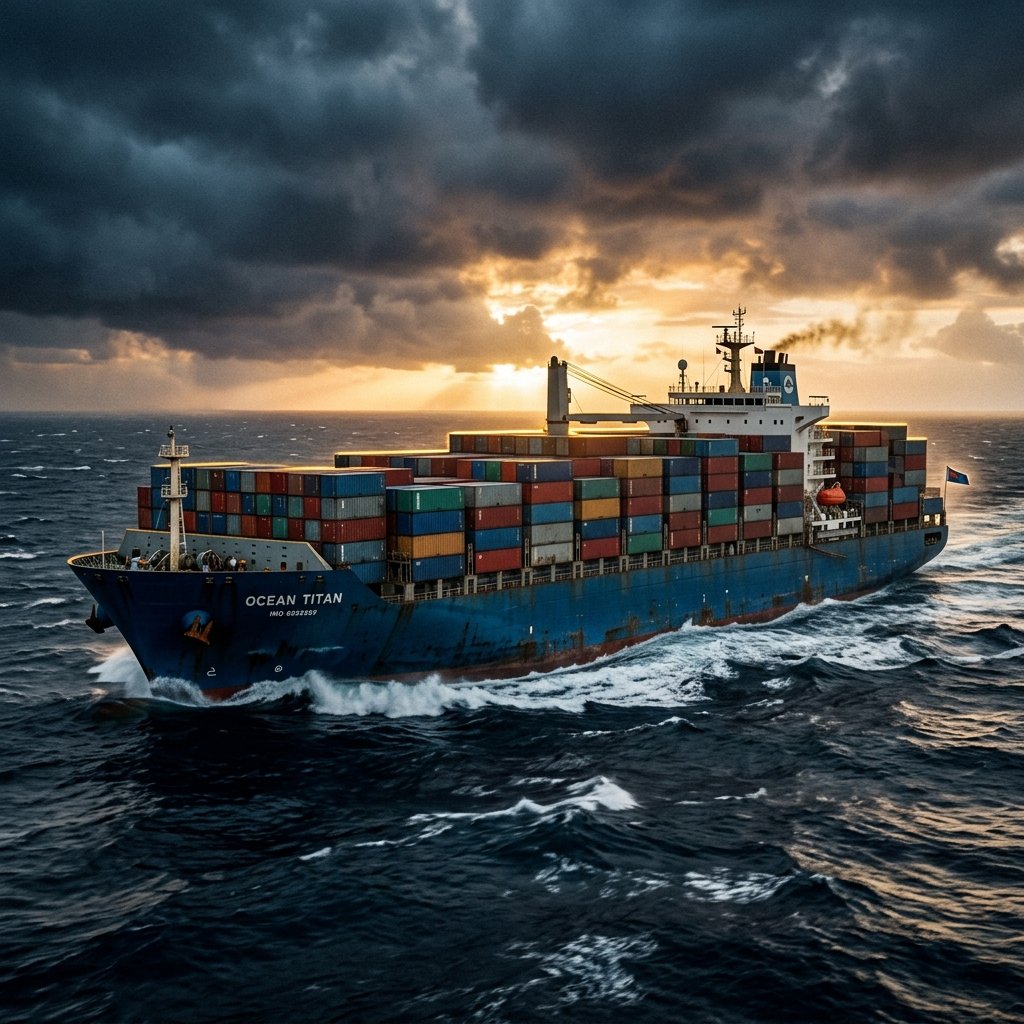
The ocean freight market has been caught in a vicious market cycle that has created levels of congestion never seen before. Spot rates have soared; and space has become a premium for those who are importing and exporting goods across the globe. For now, that volatility looks here to stay—at least for the foreseeable future. That said, it’s more important than ever to reassess processes and not continue with business as usual.
Crucially, what may have worked at the beginning of 2020 may no longer be considered a best practice. For those who are unprepared, the consequences can cost time and money. But, there are a few steps buyers can take to help ensure smooth sailing for their shipments.
This guide will help you:
- Manage market challenges to help build more predictability and resilience into your supply chain
- Make the most of interactions with your ocean transportation service provider
- Ask the right questions to negotiate the best contracts
Consolidating the Market Effects
The situation in the ocean market is complex. Beginning with factory shutdowns a year ago, a domino effect has been triggered. In the US and Europe, imports are up. Meanwhile, though, the US is seeing a decline in exports. There has been a dramatic shift from services to goods as customers spend more time at home.
Despite people working from home, demand did not drop in the summer. Forwarders saw widespread port congestion, which has had a notable impact on the TAWB, TPEB, and FEWB trade lanes. The backlog of cargo from the spike in imports during the last half of 2020 (up by nearly 50%) sits waiting to be offloaded.
According to Nerijus Poskus, Flexport’s VP of Global Ocean, equipment supply has remained a huge stumbling block. In the US, for example, supply of chassis has been low. Roughly 80% of chassis are being used at any moment and 13% of chassis are currently out of service.
Take Your Time
While you shouldn’t delay, there’s no need to panic and rush into securing contracts. The best place to be is in the middle; overpaying may make your goods less competitive and underpaying may risk cancellation if things take a turn for the worst. Wait for larger importers to sign and set their baselines to get the best deal in terms of price.
What Will Your Volumes for 2021 Be?
It’s never been as important to try to predict volume. When negotiating contracts, think about allocation: the wider the range the higher the price. Without an accurate prediction, you’ll pay more or find your cargo delayed.
Understand Contract Terms
More so than in the past, the prices you will be receiving will likely be subject to peak season charges. Make sure you read the terms and conditions thoroughly. Ask:
- Is there a ceiling for volumes or can this be negotiated?
- What are the service capabilities?
- How likely is my cargo to get rolled?
Optimize for Resilience
In addition to negotiating the best terms, it’s also important to optimize your supply chain where possible to build in resilience. Organizations must have quality real-time data and reporting metrics that help plan ahead and adapt to market changes and unforeseen delays.
For the best outcomes in 2021, plan to move a portion of freight by premium contracts, which can offer space guarantees, the promise of no-rolls, prioritized discharge, and chassis availability.
Expect to Pay More
To be safe and ensure you are resilient against unexpected issues, plan to pay more for the full year, not just the first half of 2021. This is especially important if you are on a fixed contract or the spot market.
Conclusion
Before you sign anything, be ready to ask questions and press for details. Understand your commitment in granular detail. Explore space guarantees and multiple back-up plans to mitigate risk of cancellations. Ask about volume limits and watch out for fuel surcharges and other hidden fees.
Related Articles
The $800 De Minimis Exemption Is Gone: What E-commerce Sellers Must Do (2026)
De minimis is suspended for all countries — every ≤$800 shipment needs entry + duties now. Why consolidated DDP freight beats the parcel model, with the full 2026 timeline.
Read More
Jeddah vs Dammam vs Riyadh: Which Gateway Should Saudi Importers Use? (2026)
Jeddah, Dammam or King Abdullah Port? Compare transit, inland trucking and landed cost for China→Saudi cargo — including the Riyadh gateway decision framework.
Read More
Suez Is Reopening — So Why Aren’t Freight Rates Falling? (2026)
Suez traffic hit a 2.5-year high in August 2026, yet container rates stay elevated. What the MSC/Maersk Suez return really means for China→Saudi and global freight.
Read MoreReady to Import from China?
Get a free, all-inclusive freight quote from our team within 4 business hours.