
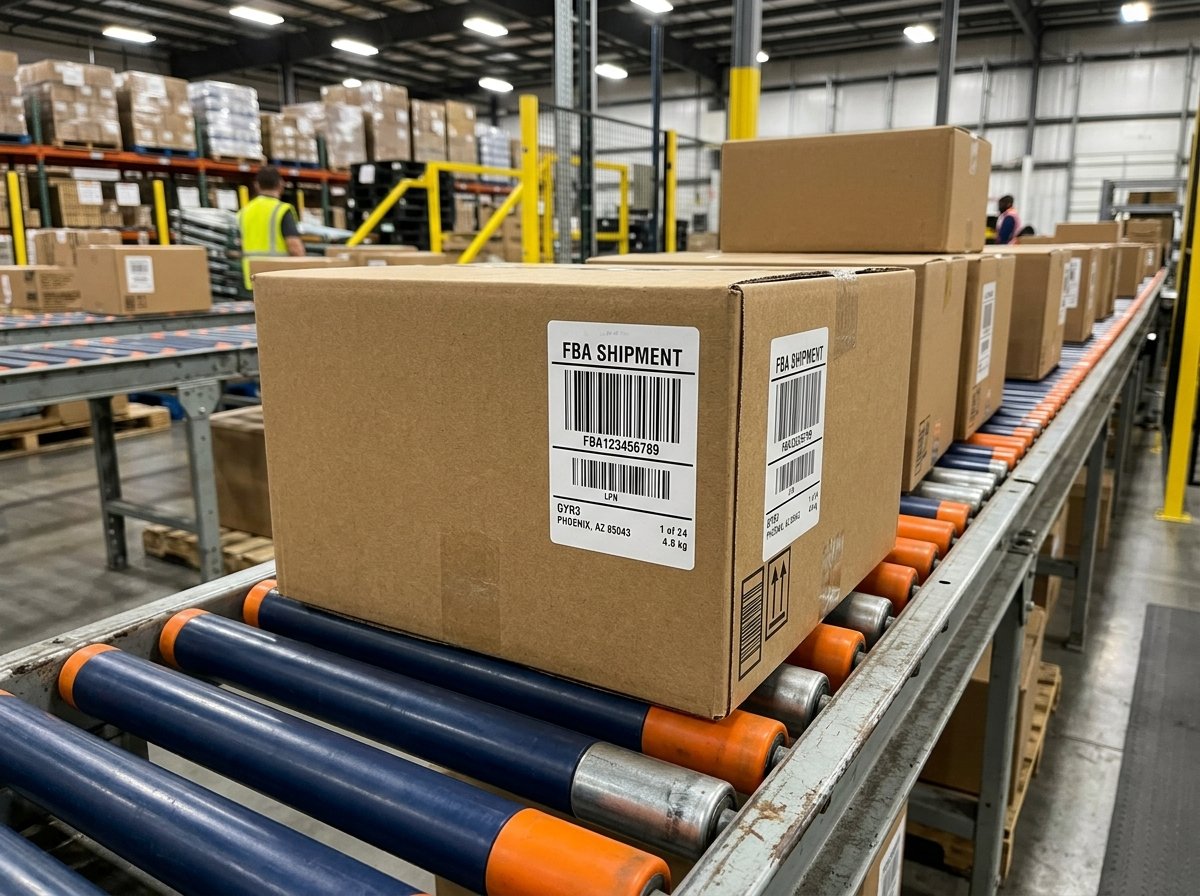
Amazon FBA Shipping Costs
June 22, 2026
When calculating shipping costs to various Amazon FBA warehouse locations, you will likely have to strike a balance between location and profitability. Shipping costs can differ based on where you are sending the shipment, the type of goods you are shipping, and the logistics services you require.
To understand Amazon FBA shipping costs, you first need to know how Amazon FBA works.
Amazon FBA (Fulfilment by Amazon) is a program that allows Amazon sellers to outsource a range of services to Amazon’s world-class fulfilment network. Amazon handles storage, packaging, and shipping for FBA sellers.
Of course, this service comes at a cost. The charges vary depending upon the weight of the package, dimensions, zip codes of destinations and other variables.
Do You Pay for Shipping to Amazon FBA?
The short answer is yes, FBA sellers pay for shipping to Amazon since Amazon does not cover the cost of transporting your items to their warehouses.
Shipping costs are one of the many fees associated with selling on the marketplace. In addition to paying for shipping, Amazon FBA sellers also pay a fulfilment fee, which is a charge Amazon assesses for storing and delivering your products.
Amazon FBA fees can seem daunting at first, especially when trying to price your products so that you are still making a profit.
How Do You Calculate FBA Shipping Costs?
It’s easy to calculate your shipping costs with Amazon’s FBA calculator. All you need is to input the dimensions and weight of your product, seller account information, and the zip code of the Amazon fulfilment center. This calculator does all the work for you and estimates the Amazon FBA fees you will be charged.
How to Reduce Costs for Amazon FBA Shipping
There are a few ways to reduce the total cost of shipping to Amazon FBA:
Ship in Larger Quantities
Amazon charges by the pound, so the more products you can send in one shipment, the lower your Amazon seller shipping costs will be. You can also choose to ship your products to multiple Amazon fulfillment centers. This will help you to avoid Amazon long-haul charges, which are fees assessed when Amazon has to transport your products a long distance.
Use Amazon’s Preferred Carriers
Amazon has negotiated rates with these carriers, so you can get discounted shipping costs. You will need to use Amazon-approved packaging to take advantage of these rates.
Limit Shopping Distance
Customers shopping on Amazon are generally willing to pay more for items that ship from locations closer to them. If you have products in stock at multiple Amazon fulfillment centers, make sure to list the items as “In Stock” at the location nearest to the shopper.
Enroll in Amazon’s Shipping with Amazon (SWA)
This allows qualified Amazon sellers to ship their products directly to Amazon customers. This service is only available to Amazon Professional Sellers.
Book Through Googol Traders
Ask Googol Traders to search, book, and manage your shipments to Amazon FBA warehouses.
How Much Should You Charge for Your FBA Inventory?
You need to know how much it will cost to ship products before determining what to charge your customers. Excessive shipping fees and high prices will turn potential buyers away, but price your goods too low and your business won’t turn a profit. Consider these options to find the middle ground:
Free Shipping
Amazon shoppers love free shipping, so if you can afford to cover the shipping cost, do it. Adding free shipping to your website is a great way to encourage sales and boost your conversion rate. Make sure to include the cost of delivery into your product’s price if you want to provide free shipping.
Flat Rate Shipping
If you can’t afford to cover the cost of shipping, consider using a flat rate. This method charges the same shipping fee for all products, regardless of weight or destination. It is a great way to simplify your shipping process and make it easy for customers to know how much they will be charged for shipping.
Calculated Shipping
You can use calculated shipping if you want to charge your customers based on the actual shipping cost. With this method, you’ll need to enter the dimensions and weight of your products into the calculator to find out Amazon fulfillment shipping costs. Once it is calculated, Amazon will add the fees to your customer’s order total.
FBA Inbound Cost Anatomy: Every Layer Mapped
FBA inbound cost is seven layers deep — factory price, inland China, main carriage, customs, prep, final-mile carrier, and check-in risk — and each layer has its own lever.
Quick answer: Price check-in delay into your restock math; inventory that arrives early but checks in late still costs you sales.
| Cost layer | Driver | Lever to reduce it |
|---|---|---|
| Factory price + inland China | Location, loadability | Consolidation near cluster suppliers |
| Main carriage | Mode, season, capacity | Book early; right-size FCL/LCL |
| Customs & duties | Classification, programs | Verification workflow before ordering |
| Prep & labeling | Compliance complexity | Warehouse prep vs factory prep math |
| Final-mile carrier | SPD vs LTL appointment rules | Match to FC requirements |
| Check-in risk | Requirement mismatches | Inspect + document before shipping |
Quick-reference checklist
- Model all seven cost layers before restocking
- Run prep math: warehouse-prep vs factory-prep
- Inspect + document before committing to FBA delivery
- Capture FC appointment proof and POD every time
Questions buyers actually ask
- What does it really cost to get stock into FBA? — Seven layers: factory, inland China, main carriage, customs, prep, carrier, check-in risk.
- SPD or LTL? — Shipment size, appointment requirements, and cost trade-offs decide — model both.
- Where do sellers overspend? — Prep inefficiencies, poor consolidation, and compliance failures at check-in.
Watch out: Compliance failures at check-in convert cheap freight into expensive storage and removal fees.
Useful next steps on this site: DDP directly to FBA deep dive · Shenzhen to FBA DDP route guide · inspection before you ship to FBA · choosing LCL vs FCL for restocks
Sources checked 2026-08-25 including Amazon — FBA Program Requirements. Rates and timelines change — always confirm with a current quotation.
Frequently asked questions
What does it really cost to get stock into FBA?
Seven layers: factory price, inland China, main carriage, customs, prep, final-mile carrier, and check-in risk.
Where do sellers overspend?
Prep inefficiency, poor consolidation, and compliance failures that trigger fees at check-in.
Frequently asked questions
What does it really cost to get stock into FBA?
Seven layers: factory price, inland China, main carriage, customs, prep, final-mile carrier, and check-in risk.
Where do sellers overspend?
Prep inefficiency, poor consolidation, and compliance failures that trigger fees at check-in.

Muhammad Fahad, Co-founder & Operations Lead, Googol Traders · Last updated: June 22, 2026
Related Articles
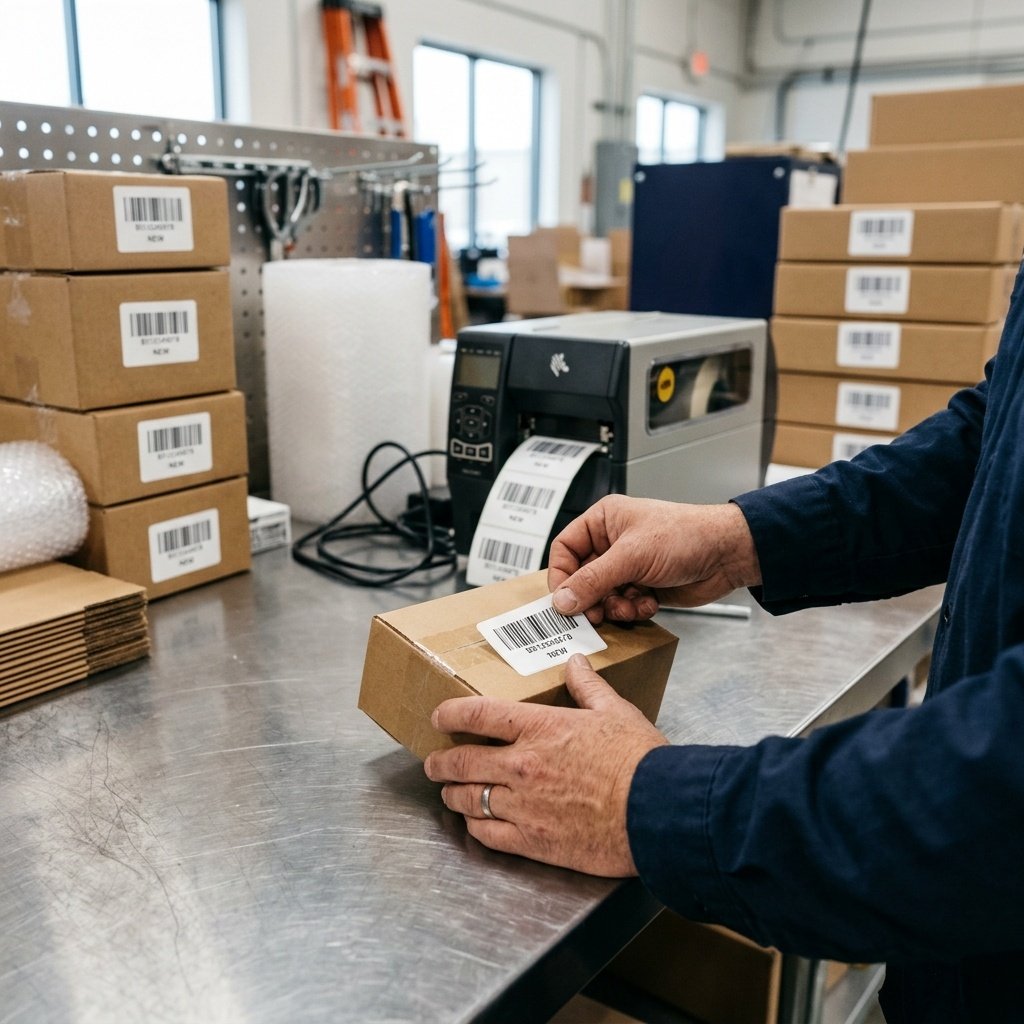
FBA Prep Guide 2026: Requirements & Real Costs Per Unit
Amazon ended its FBA Prep Service on Jan 1, 2026. Here’s what prep costs per unit in 2026, the full compliance checklist, and how to label at origin for $0.03-$0.08/unit.
Read More
eCommerce Shipping: Strategies & Practices Guide
eCommerce shipping fees can significantly reduce profits, making it unsustainable with a gross margin below 15% and causing cash flow issues below 25%. Thus, finding affordable and efficient shipping solutions is essential. This is especially true for cross-border logistics, which add challenges like warehouse congestion, customs delays, and delivery issues, leading to increased customer complaints [ ]
Read More
China Warehousing for Importers: Flexible Storage in Strategically Located Facilities
Googol Traders offers flexible warehousing and distribution services from strategically located facilities in China’s Bao’an District, Shenzhen — serving importers across North America, Europe, the Middle East, and Oceania with consolidation, inspection, and fulfilment services.
Read MoreReady to Import from China?
Get a free, all-inclusive freight quote from our team within 4 business hours.