

Shipping From China to Saudi Arabia: Complete Guide (2026)
August 23, 2026
Every week, container vessels leave Chinese ports loaded with goods destined for Riyadh, Jeddah, and Dammam — electronics from Shenzhen, textiles from Guangzhou, machinery from Ningbo. If you buy from Alibaba or 1688 and sell in the Kingdom, the shipping leg decides your landed cost and your delivery promise. This guide covers every option: sea FCL and LCL, air freight, express, and DDP — with transit times, process steps, customs requirements including SABER, and the decisions that separate a smooth import from a stuck one.
TL;DR
- Sea freight is the default: FCL for orders above ~25 CBM, LCL below — transit roughly 25-35 days port-to-port via Jeddah or Dammam.
- Air freight takes 3-7 days for urgent or high-value cargo; chargeable weight rules make light bulky goods expensive.
- DDP (Delivered Duty Paid) puts customs, duties, and final delivery on the forwarder — best when you have no Saudi import entity.
- SABER conformity certification is mandatory for regulated products — no SABER certificate, no customs clearance.
Distance from Shenzhen to Jeddah by sea — roughly 25-35 days at standard container service speeds
Your Shipping Options: China to Saudi Arabia
Four practical methods connect Chinese factories to Saudi buyers. The right choice depends on your order size, urgency, and whether you can act as importer of record.
| Method | Transit time | Best for | Cost logic |
|---|---|---|---|
| Sea FCL | ~25-35 days | Orders above ~25 CBM; one buyer per container | Flat container rate — cheapest per CBM at volume |
| Sea LCL | ~30-40 days | Smaller orders sharing container space | Per-CBM pricing; destination fees add up fast |
| Air freight | 3-7 days | Urgent restock, samples, high-value electronics | Chargeable weight — max of actual vs volumetric kg |
| DDP (sea or air) | Door-to-door | Buyers without a Saudi import license/CR | All-in per unit quote incl. duty + clearance + delivery |
Sea Freight: FCL and LCL Explained
FCL — Full Container Load
You book an entire 20ft (~33 CBM usable) or 40ft (~67 CBM usable) container. Your goods alone inside, sealed at the factory, opened at destination. FCL wins when your cargo fills roughly half a container or more — beyond that point, paying for space you don’t use is still cheaper than LCL’s per-CBM rates plus handling fees.
LCL — Less than Container Load
Below that threshold, your cargo shares a container with other importers’ shipments. You pay per CBM (and per weight-ton, whichever yields more). Watch the destination side: LCL arrival fees at Jeddah and Dammam — CFS charges, documentation, delivery order — are billed per shipment and can exceed the ocean leg itself on small lots.
Common Mistake
Comparing only the ocean freight line between quotes. A cheap LCL rate with heavy Jeddah destination charges often costs more all-in than a higher quoted rate with fair fees. Always compare door-to-door totals.
Main Port Pairs
- Jeddah Islamic Port — the primary western gateway; best routing for suppliers consolidated in South China and Red Sea services.
- King Abdulaziz Port, Dammam — serves the eastern province and Riyadh corridor; strong when factories ship via Gulf transshipment hubs like Jebel Ali.
- Riyadh Dry Port — inland port reached overland from Jeddah or Dammam; useful when final delivery is central Saudi Arabia.
Air Freight: When Speed Beats Cost
Air wins for samples, product launches, and restocking bestsellers. Carriers charge chargeable weight: the greater of actual weight or volumetric weight (length × width × height in cm ÷ 6000 for most lanes). A carton of LED bulbs can be light but huge — and you pay for the space it occupies.
Pro Tip
Worked example: a 60×50×40 cm carton weighing 12 kg has a volumetric weight of 20 kg (60×50×40 ÷ 6000). You are billed as if it weighed 20 kg. Compress packaging before choosing air — smaller cartons directly cut chargeable weight.
Express Couriers (DHL, FedEx, UPS)
For documents, samples, and parcels under ~50-100 kg, express couriers clear Saudi customs with minimal paperwork — usually 3-6 days door-to-door. Convenient, but the per-kg premium is steep beyond sample quantities, and some categories (batteries, liquids, power banks) face courier restrictions regardless of value.
DDP Shipping: The No-License Route
Saudi Arabia generally requires an importer of record with local commercial registration. Without one, DDP is your practical route: the forwarder contracts as importer, handles SABER-linked clearance where applicable, pays duties and VAT, and delivers to your door or warehouse. You get one all-in price per unit.
The trade-off: DDP prices bundle risk, so they carry margin. And compliance responsibility doesn’t disappear — your product still must meet SASO requirements, because the DDP provider’s clearance depends on documents your supply chain must produce.
SABER: The Clearance Gate Most Guides Skip
Since 2019-2020, Saudi Arabia’s SABER platform (run by SASO) is mandatory for importing most consumer products. Two certificates matter:
- Product Certificate of Conformity (PCoC)
- Certifies your product model against the applicable Saudi technical regulation. Valid around one year. Official platform fee is approximately SAR 500 per certificate, excluding testing and CB costs.
- Shipment Certificate of Conformity (SCoC)
- Issued per consignment, confirming this specific shipment matches the certified product. Around SAR 350-500 per shipment on the platform, plus any CB fees.
Without these, Fasah customs clearance stalls. Test reports must come from ISO/IEC 17025-accredited labs, and labeling must meet the relevant technical regulation — with new supplier-name and CR-number marking rules phasing in under SASO Circular 247 from October 1, 2026 for ten product regulations.
Common Mistake
Starting SABER registration after the goods ship. Testing and PCoC issuance commonly take days to weeks. Start certification when you confirm the purchase order — not when the container is already at Ningbo.
Step-by-Step: Your Shipment Process
- Confirm product eligibility — check whether your HS code falls under a SASO technical regulation requiring SABER.
- Book and certify early — open SABER product registration and commission testing while production runs.
- Pre-shipment inspection — verify quality, quantity, and labeling before the goods leave the factory.
- Book freight — FCL/LCL/air/DDP based on volume and urgency; confirm the port pair matches your final delivery city.
- Export clearance in China — supplier handles export declaration; forwarder confirms booking cutoffs.
- SCoC + import clearance — shipment certificate issued against the booking; customs entry filed in Fasah.
- Duties, VAT, delivery — pay applicable duty and 15% VAT (or include them in your DDP rate), then arrange last-mile delivery.
Pro Tip
Anonymized example from our operations: a Riyadh buyer importing 8 CBM of kitchenware chose LCL via Jeddah. Destination-side CFS and delivery fees came to roughly 40% of his total landed logistics cost — knowing that number upfront changed his reorder quantity planning toward FCL consolidation with other buyers. Ask for the full destination-fee schedule before booking, not after arrival.
What Drives Your Final Cost
- Volume and weight — CBM drives ocean, chargeable kg drives air.
- Fuel and market cycles — peak season (Aug-Oct ahead of Chinese New Year rush too) lifts rates; book early.
- Duty + VAT — Saudi customs duty varies by HS code (commonly 5-15%), plus 15% VAT on the dutiable value.
- Compliance costs — SABER fees, testing, and any labeling rework.
- Destination handling — especially LCL CFS fees at Jeddah/Dammam.
We deliberately don’t print live rates in this guide: lane prices move weekly and undated numbers mislead. Request a dated, itemized quote covering ocean, origin, destination, duty estimate, and delivery — then compare quotes on identical scope.
Frequently Asked Questions
How much does shipping from China to Saudi Arabia cost?
It depends on mode and volume: LCL is priced per CBM, FCL as a flat container rate, and air per chargeable kilogram. Because lane rates move weekly, treat any fixed number you see online skeptically — request a dated, itemized quote that includes origin charges, ocean/air freight, destination fees, duty estimate, and delivery so you can compare true totals.
How long does shipping from China to Saudi Arabia take?
Sea freight typically runs about 25-35 days port-to-port (longer for LCL due to consolidation), air freight 3-7 days door-to-door, and express couriers 3-6 days. Add SABER certification lead time before shipping if your product category requires it.
Can I import from China to Saudi Arabia without a commercial registration?
Directly, no — Saudi customs generally requires an importer of record with local registration. In practice, buyers without one use DDP shipping, where the forwarder acts as importer of record, clears customs, pays duties and VAT, and delivers door-to-door under one all-in price.
Is DDP shipping to Saudi Arabia worth it?
If you lack a Saudi import entity or want predictable unit economics, yes — DDP removes customs handling entirely from your side. Compare the DDP all-in price against FOB-plus-your-clearance-costs: with low volumes the convenience margin is small; at large volumes, self-handling usually wins.
Do I need a SABER certificate for every shipment?
You need the Product Certificate (PCoC) once per product per year, and a Shipment Certificate (SCoC) for each consignment imported. Both are issued through the SASO SABER platform; without them, regulated products will not clear Saudi customs.
Related Guides
- How to Import From China to Saudi Arabia: Step-by-Step
- SABER Labeling Changes October 1, 2026
- الدليل العربي: الشحن من الصين إلى السعودية
Choose a China–Saudi shipping plan from the quote, not a rule of thumb
The right mode is not determined by CBM alone. Before you compare prices, write down the cargo-ready date, destination city, packed dimensions, gross weight, product category, Incoterm and whether the buyer can act as importer. Then compare like-for-like scope.
| Decision question | If the answer is… | What to request next |
|---|---|---|
| How urgent is the inventory? | A launch, sample or stockout makes time more important than the lowest transport line. | Ask for air/express and sea options with the same destination scope and a stated checked date. |
| How much cargo data is ready? | Carton dimensions, quantities and gross weight are incomplete. | Do not accept a final comparison; obtain the packed list and clarify whether pallets are included. |
| Who handles Saudi entry? | The importer, broker or DDP provider is not clearly named. | Require the quote to state importer-of-record, customs, product-conformity, duty/VAT and delivery responsibilities. |
| Which gateway serves the final city? | The delivery is in Riyadh, the Western Region or the Eastern Province. | Compare the named port/airport, inland leg, destination charges and delivery appointment—not only the ocean or air line. |
Quote brief: copy this before asking for a price
- List factory location, cargo-ready date, destination city, product description and Incoterm.
- Attach carton count, outer packed dimensions, gross weight, pallet count, stackability and any dangerous-goods or battery information.
- Ask for the planned routing, named service where available, quote issue/expiry date, free time and revision triggers.
- Request separate scope for origin charges, transport, destination/CFS handling, customs clearance, duty/VAT where applicable and final delivery.
- Ask who approves or pays extra charges if the carrier rolls cargo, changes the port rotation or reroutes the shipment.
One transparent calculation, without inventing a rate
For a quote comparison, use estimated landed cost = product cost + origin handling + international transport + destination/CFS charges + clearance + applicable duty/VAT + inland delivery. If an item is not included, mark it as not quoted rather than treating it as zero. For air cargo, calculate chargeable weight only with the divisor stated by the carrier or service; the existing 6000 example must not be treated as universal.
ZATCA’s import instructions list core documents and explain the Fasah declaration process. Product conformity is product-specific: check the applicable requirement before booking rather than assuming every shipment follows the same SABER path. DDP may change who coordinates entry, but it does not make product, tax or documentation responsibilities disappear.
Sources and update note: This enhancement was checked on 2026-08-24 against ZATCA import instructions and the GOV.SA product conformity service. Procedures, carrier schedules, charges and product requirements can change; confirm them for the shipment and date.
Continue with the Jeddah, Dammam and Riyadh gateway comparison, review the SABER labeling changes, and use the blank-sailing and roll-risk explainer before requesting a current freight quote.
Related Articles

The $800 De Minimis Exemption Is Gone: What E-commerce Sellers Must Do (2026)
De minimis is suspended for all countries — every ≤$800 shipment needs entry + duties now. Why consolidated DDP freight beats the parcel model, with the full 2026 timeline.
Read More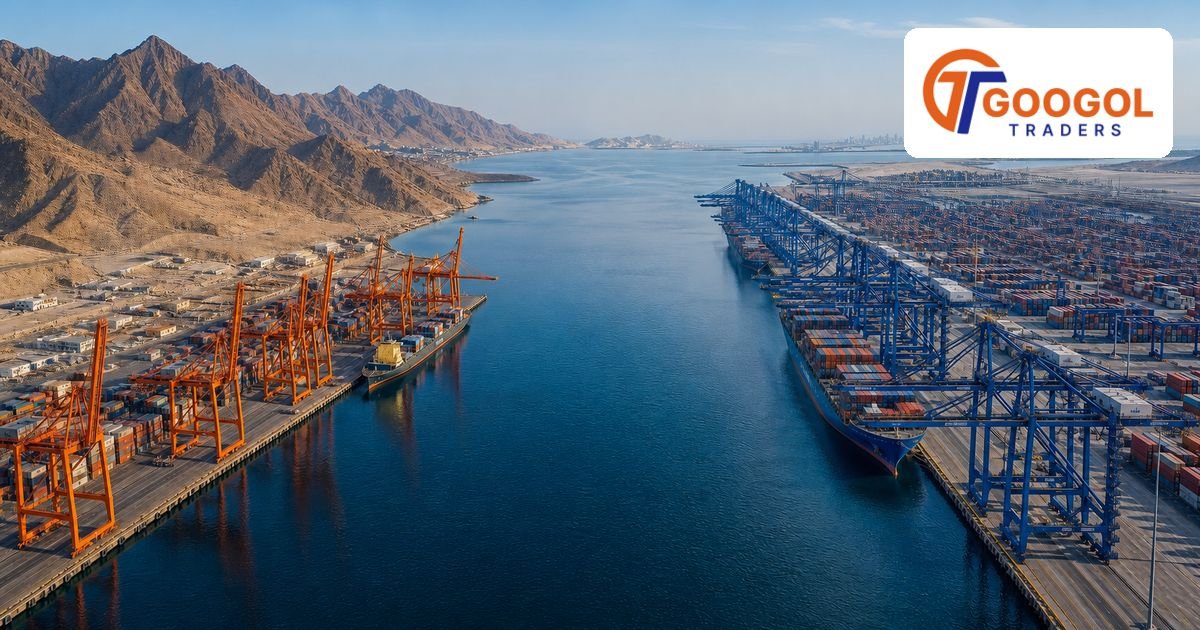
Jeddah vs Dammam vs Riyadh: Which Gateway Should Saudi Importers Use? (2026)
Jeddah, Dammam or King Abdullah Port? Compare transit, inland trucking and landed cost for China→Saudi cargo — including the Riyadh gateway decision framework.
Read More
Suez Is Reopening — So Why Aren’t Freight Rates Falling? (2026)
Suez traffic hit a 2.5-year high in August 2026, yet container rates stay elevated. What the MSC/Maersk Suez return really means for China→Saudi and global freight.
Read MoreReady to Import from China?
Get a free, all-inclusive freight quote from our team within 4 business hours.